
Last updated November 23, 2026
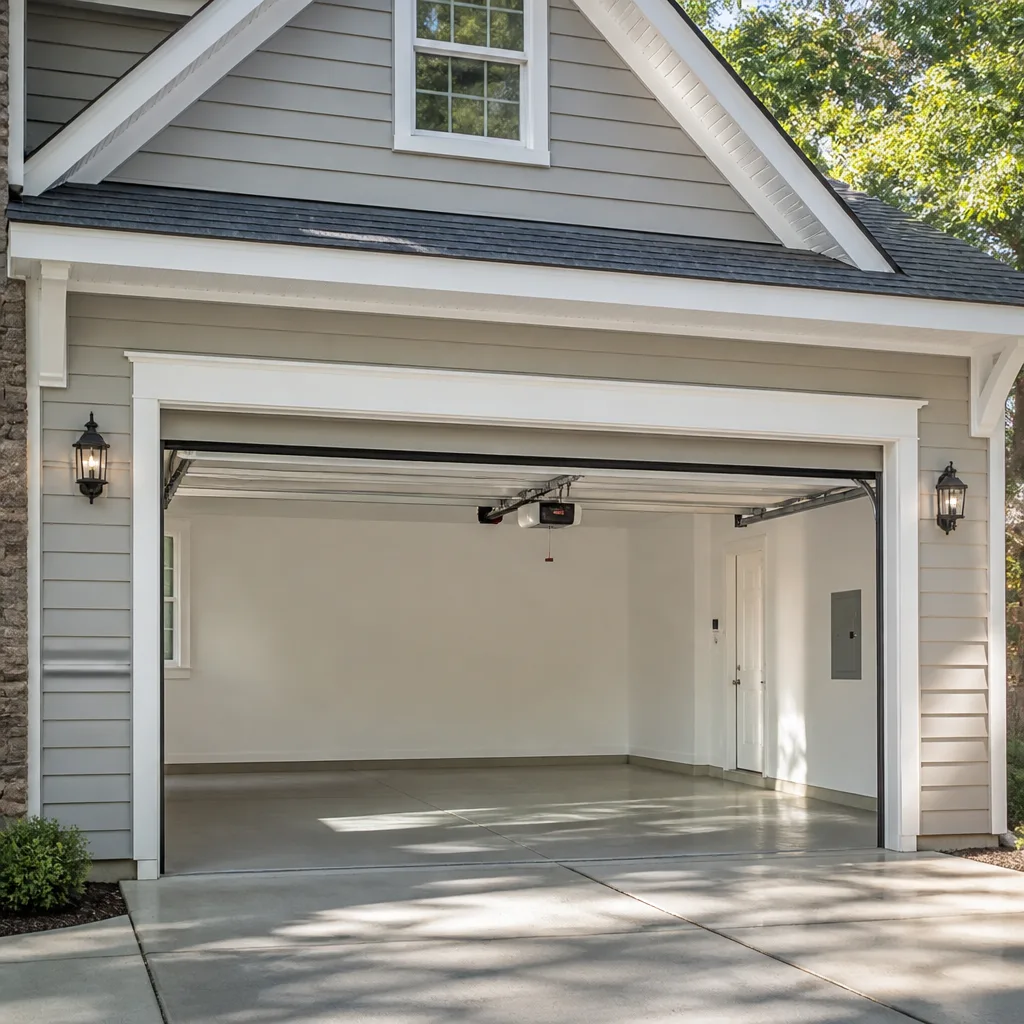
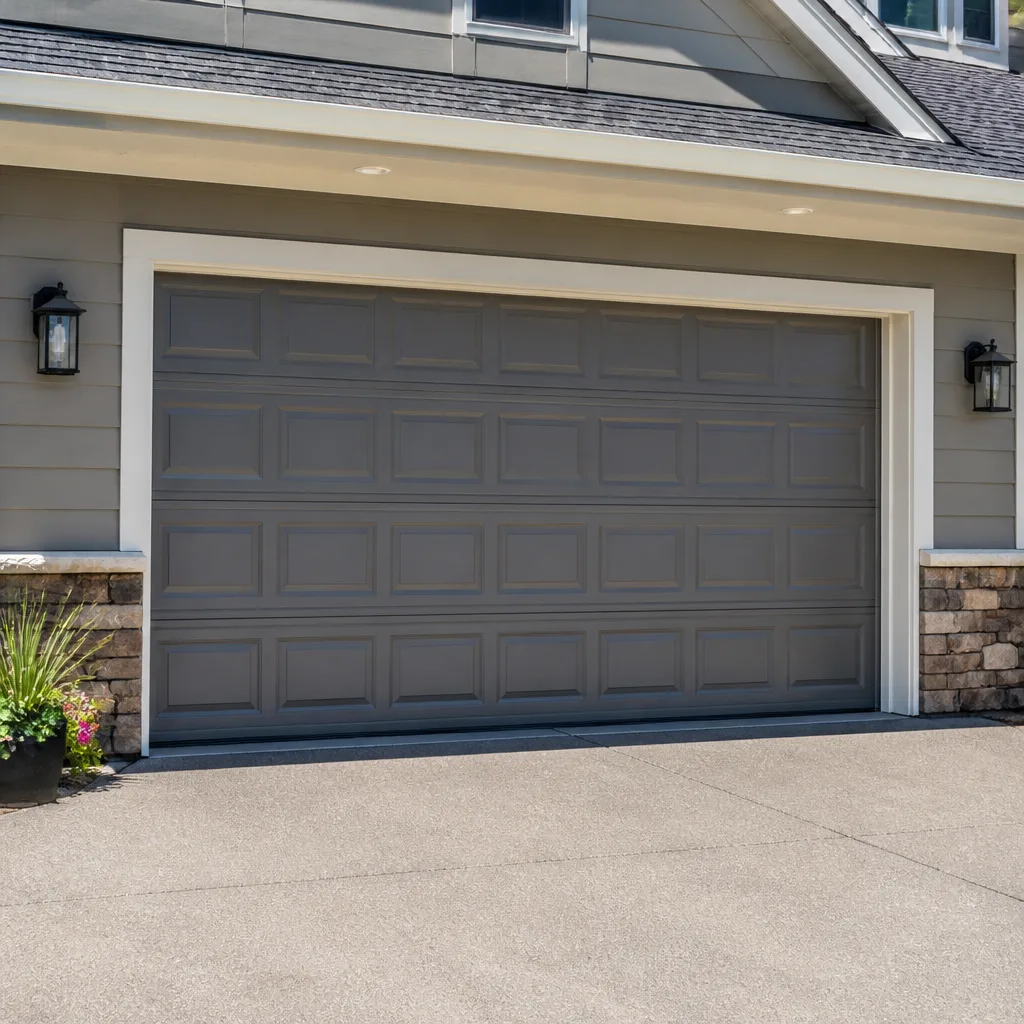 Raised-panel steel
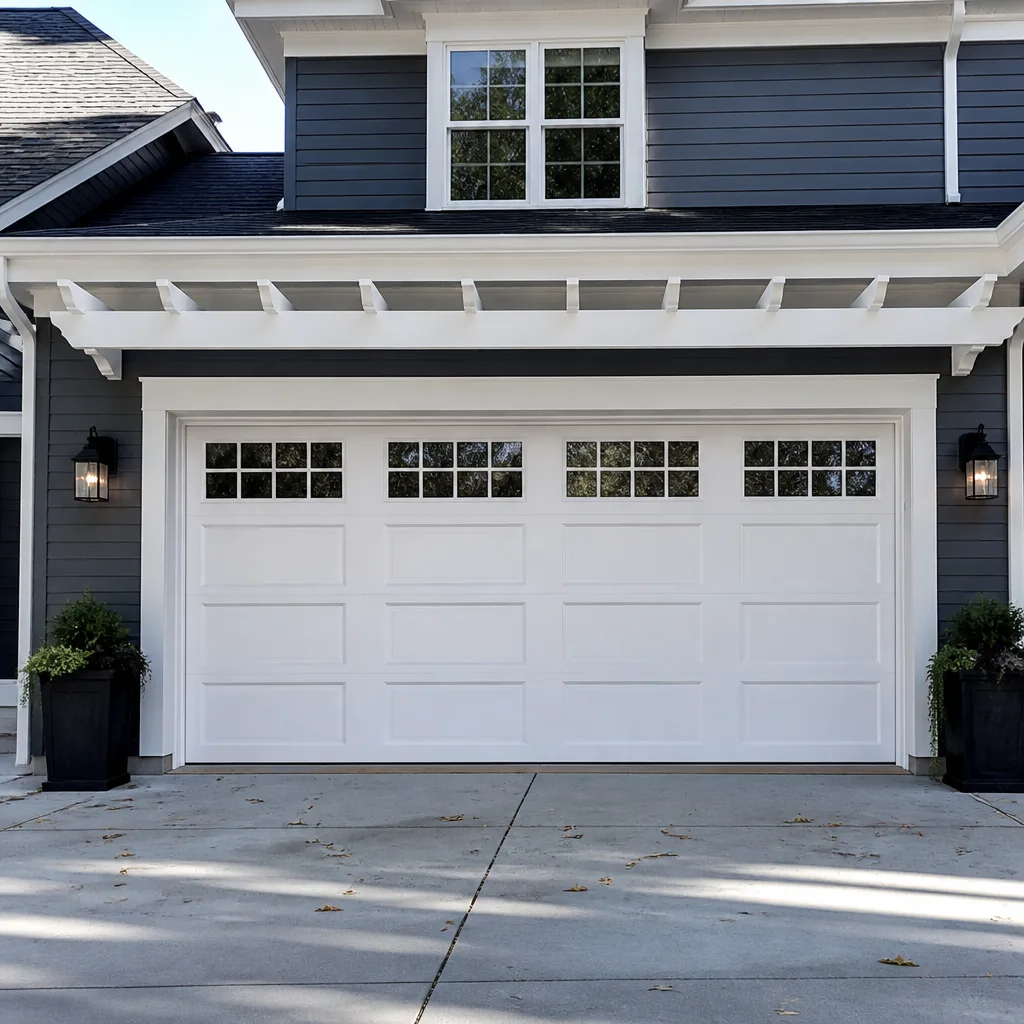
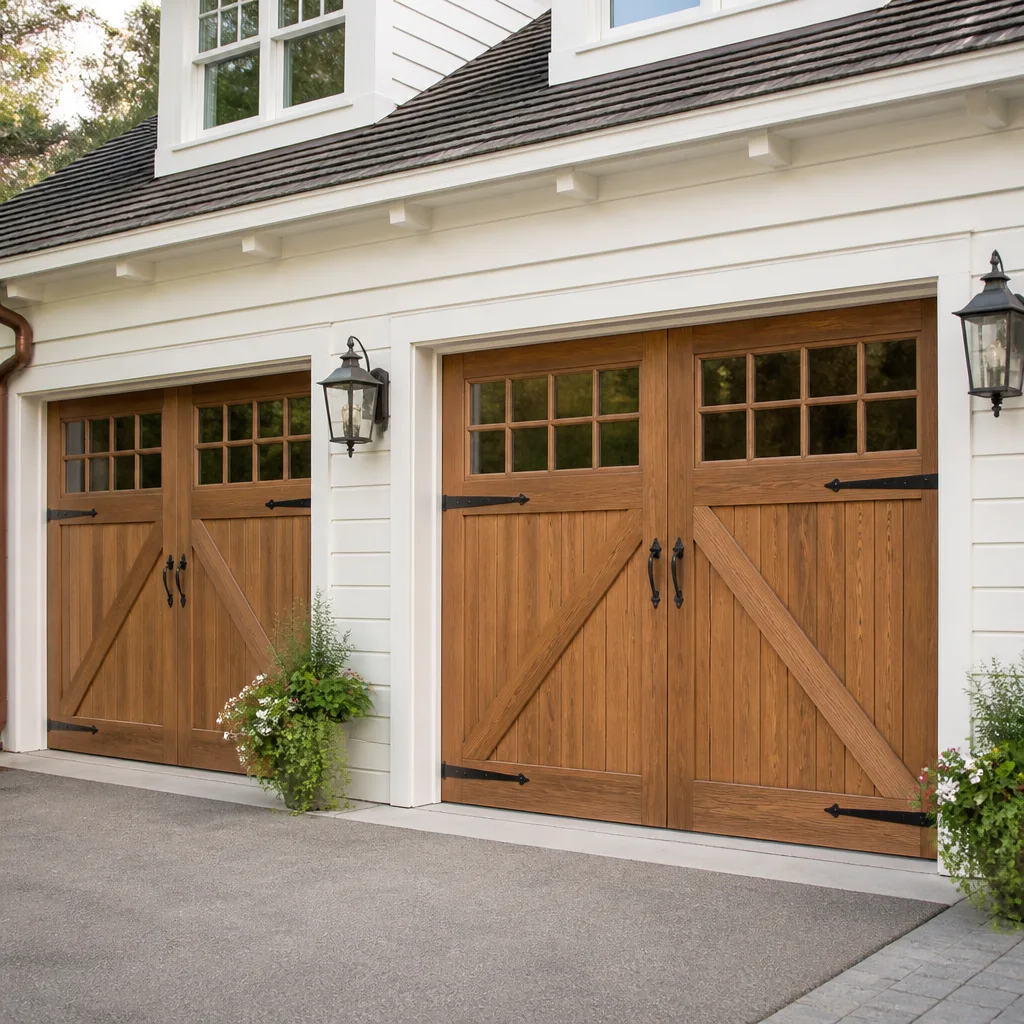 Carriage house
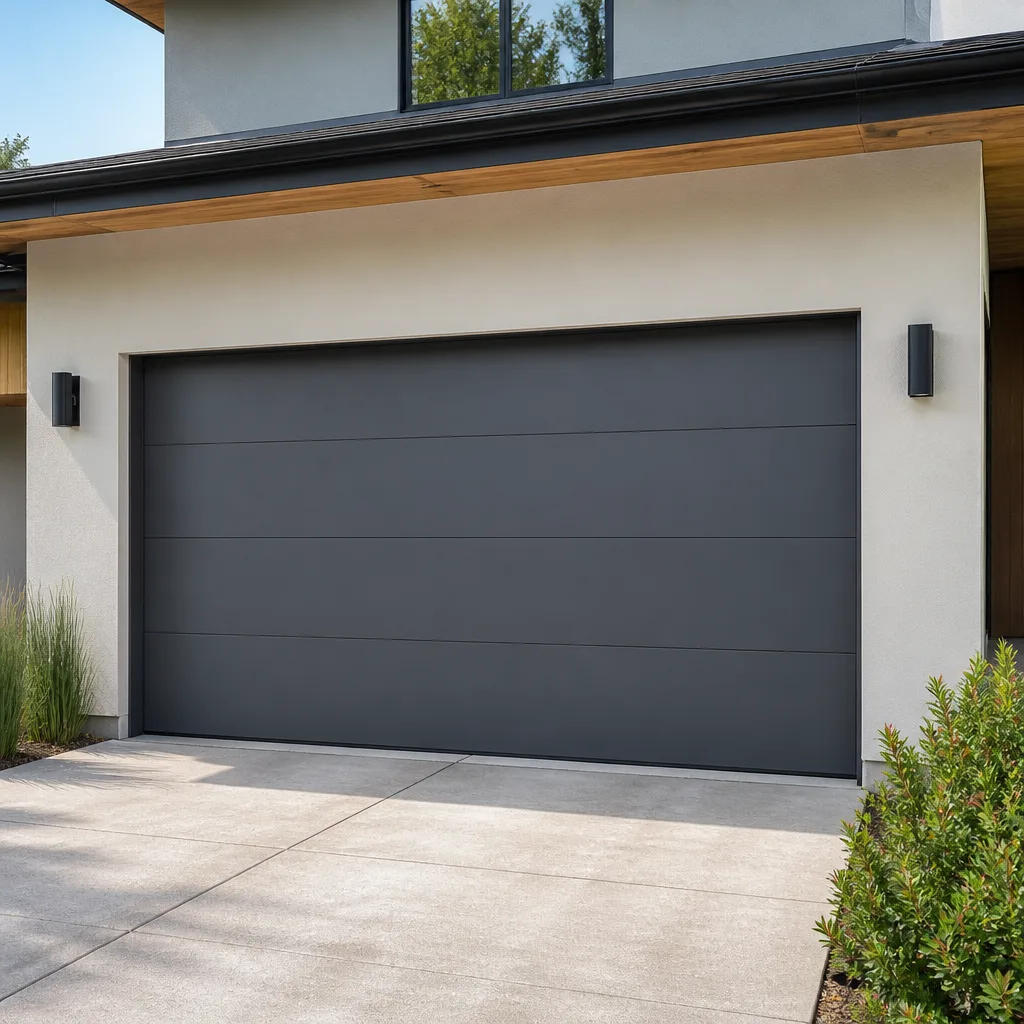 Modern flush
 Full-view glass
 LiftMaster openers
 Chamberlain openers
Full 25-point door and opener safety check with every visit - springs, cables, rollers, tracks, and your LiftMaster or Chamberlain opener included
You get a price before we start. It does not change when the pro arrives.
Get your free estimateGarage Door Warning Signs: A Woodstock Homeowner’s Reference Guide
Most homeowners treat a slow, noisy garage door as a quirk of an aging house. It usually isn’t. A door that’s slightly sluggish, that hangs at one point in its travel, or that sounds different in January than it did in October is often a torsion spring carrying load it wasn’t designed to carry, or a cable that’s begun to slip its drum. The difference between catching that early and ignoring it isn’t cosmetic. It’s the difference between a straightforward repair and a heavy door that drops without warning onto a car, a bike, or a person walking out. This guide is a decision framework, not a list of scary symptoms. We’ll show you what to listen for, what to look at, which clues are harmless, and which three mean you stop using the door today. Woodstock sits in a humid, hot-summer corner of Georgia, and that shapes which failures show up here and when.
Quick Answer
The main garage door warning signs are a door that opens unevenly or hesitates mid-travel, grinding or popping sounds during operation, a visible gap along one side of the floor seal, slack or frayed cables, and a torsion spring with a visible gap in its coil. Any one of these points to a mechanical problem in progress. Three signs mean stop using the door and call a technician: a snapped spring, a cable that has come off its drum, and a door that will not stay up when you lift it by hand.
Styles & brands we work with
- Raised-panel steel
- Carriage house
- Modern flush
- Full-view glass
- LiftMaster openers
- Chamberlain openers
Table of Contents
- The Symptom-to-Cause Map: What Each Sound Is Telling You
- Visual Warning Signs Most Homeowners Misread as Cosmetic
- How Woodstock Humidity and Sun Exposure Change the Warning Signs
- The Three Signs That Mean Stop Using the Door Immediately
- Age-Related Wear vs. Installation Defects: Why the Difference Matters
- What You Can Safely Check Yourself (and What You Must Not Touch)
- A Seasonal Watch List for Woodstock Doors
- When to Call a Professional
The Symptom-to-Cause Map: What Each Sound Is Telling You
Sound is the earliest diagnostic tool a garage door gives you, and almost nobody uses it. A door that has run quietly for years doesn’t suddenly get loud for no reason. Each type of noise maps to a fairly narrow set of mechanical sources. The point of this section isn’t to have you diagnose your own door. It’s to help you describe what you’re hearing accurately when you call, because a technician who knows the symptom before arriving brings the right parts on the first visit. Here at Woodstock Garage Door Repair Pros, matching the sound to the cause is where every repair starts.
Use the table below as a quick reference. It reflects patterns we see repeatedly across Woodstock homes, and it holds whether your door runs on a LiftMaster, a Chamberlain, or a Genie opener, since the door hardware itself is mostly brand-agnostic.
- Grinding, metallic scraping during travel: Most often a dry or worn torsion spring, a bearing plate, or a roller that has seized and is dragging against the track rather than rolling. Grinding that gets worse toward the end of travel usually points to a roller or hinge.
- A single loud pop, then a door that won’t lift: A torsion spring that has broken. This is the classic failure and it happens without warning, often when the door is cold or has just been cycled after sitting.
- Rhythmic scraping at one spot in the travel: Almost always a bent or misaligned track section, or a panel edge making contact with the track as the door passes that point.
- Rattling that increases with speed: Loose hinge bolts, worn rollers, or a door that’s out of balance and vibrating. Loose hardware is a good catch because it’s inexpensive to correct before it damages a panel.
- Banging or slamming at the bottom: A failing limit setting on the opener, a worn bottom seal, or an unbalanced door. It puts stress on the whole assembly every time it closes.
- A hum from the opener with no movement: The opener motor is running but the drive isn’t engaging, which can be a stripped gear, a broken belt or chain, or a disconnected trolley.
- Clicking that repeats without movement: Often a safety sensor or a limit switch issue rather than the door mechanism itself. Worth ruling out before assuming a bigger failure.
If a sound is new, note when it happens in the travel and whether it’s tied to temperature. That detail alone saves diagnostic time, and it helps you decide whether it’s something to watch or something to fix now. The single loud pop is never a watch item; a bit of rattle may be.
Visual Warning Signs Most Homeowners Misread as Cosmetic
The most dangerous garage door problems don’t announce themselves with sound. They show up as things that look like wear and are actually structural. Homeowners routinely walk past these for months because a gap under the door or a slightly bowed panel seems like a cosmetic nuisance. In our experience, that’s exactly when a small issue is compounding inside the torsion system or the track, and the repair gets bigger and more expensive with every week it waits.
Here’s what to actually look at, and what each sign usually means underneath the surface:
Gap patterns at the floor
Every door develops some unevenness in the floor seal over time, especially where concrete has settled. The sign that matters isn’t a gap; it’s a gap that’s changed shape. If the gap is now wedge-shaped, wider on one side than it was a season ago, or if daylight shows along the top of one panel and the bottom of the next, the door is no longer traveling square. That points to an out-of-balance door, a track that’s shifted, or a cable that’s stretched on one side. A uniform gap at one end that a new bottom seal can close is a different thing entirely, and much less urgent.
Panel bow
A door panel that has bowed inward or outward is not a cosmetic defect. On a sectional door, panels carry part of the structural load of the door across the hinges and rollers. A bowed panel usually means the door has been hit, has been operated with a broken or weakened spring, or is riding a misaligned track. It’s a structural warning, and it’s one of the reasons we always recommend having the door looked at before an opener is blamed for a door problem.
Cable slack and miswound cables
Cables run from the bottom corners of the door up to the drums at the top. Under normal load they’re taut. Slack on one side, or a cable that has started to ride outside its drum groove, is a structural warning that the door is loading unevenly. A cable that has come off its drum is a stop-sign situation, covered in the next sections. Fraying at the ends or a cable with visible broken strands is also a red flag and shouldn’t be ignored.
Hinge separation and roller wear
Hinges that have pulled slightly away from the panel, or rollers that sit at an angle in their tracks instead of centered, usually mean the door has been operating with an imbalance or a bent track for a while. These are inexpensive parts, but they tell you something else is going on. Fixing the hinge without fixing the cause just delays the same failure.
How Woodstock Humidity and Sun Exposure Change the Warning Signs
Georgia’s summer humidity and the strong afternoon sun on a west-facing garage do change the warning-sign picture. Two failures show up more often here than the general advice accounts for.
The first is sensor false-triggering. Garage door safety sensors work on an infrared beam, and they need clean lenses and a clear, unobstructed line between them. Woodstock’s humid summers produce condensation on the lenses, and the pollen load in spring coats them faster than in drier climates. A door that reverses itself for no apparent reason, or refuses to close without the beam being broken by a person or object, often has a dirty or condensation-fogged sensor rather than a mechanical fault. Wiping the lenses with a soft cloth and checking that they’re aligned is reasonable to do yourself, and it’s worth doing before you assume the opener is failing. If a door still reverses after a clean, it’s time for garage door opener repair.
The second is sun-related. Homes with a west or southwest-facing garage take the hottest, most direct afternoon light of the day. That exposure heats the metal panels and can cause the door to expand unevenly, which in turn puts extra strain on the bottom seal and can make an already-marginal seal gap open up in summer. It also accelerates wear on the weatherstripping along the perimeter and the bottom seal. If you have a west-facing door, expect to inspect the seals more often. That’s an environment difference, not a defect in the door.
Humidity also affects hardware over time. Hinge pins and bearings can stiffen with seasonal moisture, which shows up as a door that sounds rougher in August than in April. None of this changes the underlying rules: some of what you notice is environmental and manageable, and some is mechanical and needs a technician. Being able to tell which is which is the whole point of this guide.
The Three Signs That Mean Stop Using the Door Immediately
Most warning signs are a stop-and-schedule situation. Three of them are a stop-now situation. If you see any of these, stop operating the door by the wall button, the remote, or the app, and call a technician before you use it again. Don’t try to cycle it “just once” to see if it’s really broken. A door carrying a broken spring or a loose cable is being held up by less than the system was designed for, and the failure it can produce is the door coming down.
1. A torsion spring with a visible gap
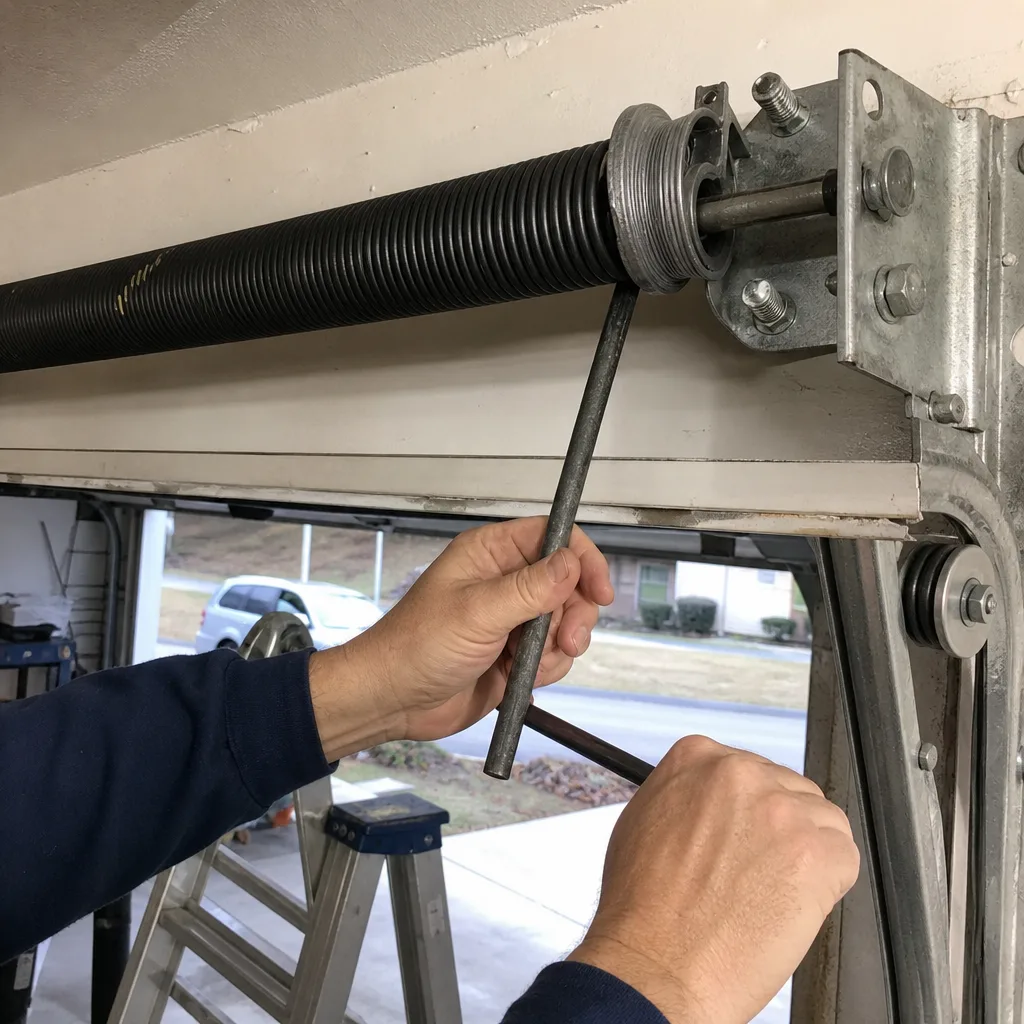
The torsion spring is the horizontal spring or springs mounted above the door on the shaft. When one breaks, it typically shows a clean, visible gap in the coil. A door with a broken spring won’t lift, or will lift with a terrible unevenness if you force it. The door is now unweighted, and if the second spring in a matched pair fails while you’re forcing it, the door can drop.
2. A cable that has come off its drum or is visibly slack
Cables bear a share of the door’s weight alongside the springs. A cable that has walked off its drum, is wrapped in the wrong direction, or is slack means the door is being held unevenly. The door can drop on one side, twist in the tracks, or come off the tracks entirely. Cables are under high tension even on a closed door. Don’t touch, cut, or attempt to reposition them.
3. The door won’t stay up when you lift it by hand
If you disconnect the opener (usually with the red manual release) and lift the door partway, a healthy door should stay roughly where you leave it. A door that sags back down has lost the lift support of its springs and is a stop-now scenario. Only attempt this lift test if the door is already at rest and you’re able to control it. If it feels heavy or drops, let it down and stop.
What safe state to leave the door in
Once you’ve identified a stop sign, the safest temporary state is usually door closed and locked, with the opener disconnected via the manual release so nobody cycles it by accident. If the door is already open and stuck, don’t force it down with the opener. Keep people and vehicles clear of the area under the door until a technician has looked at it. When it needs attention quickly, our garage door spring repair technicians handle broken-spring calls as a named service, and the dangers in this section are exactly why.
Why are springs and cables so dangerous to touch? Because torsion springs store an enormous amount of energy, and the cables work with them. The tools used to wind and release them are specialized, the procedure is precise, and a slip can cause serious injury. This is a job for a trained technician, not a homeowner with a YouTube video. That’s a genuine safety caveat, not a sales line.
Age-Related Wear vs. Installation Defects: Why the Difference Matters
The same symptom can mean two very different things depending on when it started. If you’ve owned the home for a while and the door has run fine until recently, a new noise or imbalance is age-related wear. If the door or opener is new, or if the symptom has been there since day one, it may be an installation defect. That distinction matters for two reasons: warranty claims, and who is accountable for fixing it.
Here’s how to tell them apart in practice:
- Timing. Did the symptom appear after months or years of quiet operation, or was it present from the first week? New-installation symptoms that haven’t resolved are worth raising with whoever installed the door or opener, while the work is still under its warranty.
- Pattern. Installation defects tend to be consistent and structural. A track that rubs at the same point every cycle, a door that sits visibly crooked at rest, a panel that contacts the track on every pass. Wear tends to be gradual and uneven, worsening over time.
- Hardware uniformity. A single worn roller among healthy ones is wear. All the rollers showing the same odd angle, or a whole track mounted visibly out of plumb, points toward how it was installed rather than how it’s been used.
- Spring and cable alignment. Springs mounted with uneven tension at install, or cables that were never properly seated in their drums, produce symptoms early and consistently. Those are installation issues, and they’re exactly what a careful inspection should catch.
- Balance behavior. A door that never balanced correctly, that sags at one corner on the manual release, was likely installed out of balance. A door that balanced fine and has gradually lost balance is wear.
For warranty purposes, timing is the strongest evidence you have. Keep notes on when a symptom first showed up and whether anyone has worked on the door since. And if you’re considering a new door, choosing an installer who’ll stand behind the balance and alignment matters as much as the door brand, whether that’s a Clopay, an Amarr, or a Wayne Dalton. A new door priced cheaply but installed out of balance is a defect waiting to happen. Our garage door repair technicians can tell you whether what you’re seeing is wear or a problem the installer left behind, and a written estimate comes before any work starts.
What You Can Safely Check Yourself (and What You Must Not Touch)
Some checks are safe and useful. Others are genuinely dangerous, and the line between them is clear. Do the safe ones first, and note what you find. That information helps a technician diagnose faster and can help you decide whether the problem needs attention now or can be watched.
Safe to check yourself
- Listen carefully from inside and outside during a full open-and-close cycle. Note where in the travel the sound occurs.
- Check the safety sensor lenses for condensation, pollen, or dirt, and wipe them with a soft, dry cloth. Check that the sensor bracket hasn’t been bumped out of alignment.
- Look at the bottom seal and inspect for a gap that’s changed shape. Note whether it’s uniform or wedge-shaped.
- Look at the torsion springs from a distance. You can visually see a gap in the coil without touching anything.
- Test the door’s balance only if the opener is disconnected via the manual release and you can control the door. Lift it partway and see whether it stays. If it feels heavy or drops, lower it and stop.
- Check the door’s physical condition: panels, hinges, rollers. Note anything that has shifted, bowed, or pulled away.
- Look at the opener unit for a flashing light code. Note the code and tell a technician; it can point to a specific fault.
Do not touch
- Never attempt to adjust, wind, unwind, or remove a torsion spring. The energy stored in one is severe, and the tools to release it safely are specialized. This is the single most dangerous thing a homeowner could attempt.
- Never cut, loosen, or try to reposition a cable. Cables are under high tension even on a closed door.
- Never loosen a track that has moved until it’s inspected. A door can come off a loose track without warning.
- Never force a door that has a broken spring or slack cable to cycle.
- Never disable the safety sensors to make a door close. If they’re triggering, fix the cause rather than defeat the safety feature.
Following this list is how you spot a problem early without putting yourself at risk. If you’re unsure whether a sound or a gap is worth looking at, the answer is usually to have it inspected rather than to wait for it to get louder. That’s true whether your opener is a Chamberlain, a Genie, or anything else. The opener brand doesn’t make the door mechanism any safer to touch.
A Seasonal Watch List for Woodstock Doors
Garage doors respond to the seasons here, and the warning signs cluster around the transitions. A calendar-based watch list helps you catch a problem in the season it’s most likely to appear.
- Spring (pollen season). Sensors get coated, false triggers increase, and you’re more likely to see the door reverse itself for no explicit reason. Clean the lenses and check alignment. This is also a good time to listen for any new sound that came on during winter.
- Early summer (high heat and humidity). West-facing doors take their hardest sun. Watch the bottom seal for a widening gap as heat expansion stresses it, and check hinges and bearings for roughness as humidity makes them stiffen.
- Peak summer. The most common stop sign here is a torsion spring. Even under normal load, a spring under strain on a hot day can pop. If you hear a pop and the door won’t lift, stop and call.
- Fall. A temperature drop after summer heat is when hairline wear in the torsion system often becomes a real gap. Look at the springs and check the door’s balance on the manual release. Fall is also the sensible time to schedule a professional inspection before the heavy-use holiday season and any cold snaps.
- Winter. Cold metal gets brittle, seals stiffen, and doors are used more in the dark. Rattle and banging tend to be more noticeable. If it’s new, note it rather than shrugging it off.
None of these seasonal points change the underlying rules. They just help you know when to look. The three stop signs are stop signs in any season.
Common Mistakes to Avoid
- Treating every squeak as harmless. A door that’s been quiet and starts making a new sound is telling you something has changed. Nine times in ten it’s fixable cheaply, and the tenth is a problem that grows if you ignore it.
- Assuming a slow or hesitant door is normal. Some slowness is the opener’s setting, and some is a spring under abnormal load. Distinguishing the two takes a trained check, and the difference matters.
- Blaming the opener first. Many door problems that look like opener problems are actually balance, track, or spring issues. Replacing the opener doesn’t fix a door that isn’t balanced, and a new opener on a failing door just hides the symptom for a while.
- Greasing everything. A bit of lubrication on rollers and hinges is reasonable. Spraying lubricant on a torsion spring or a cable near its drum can attract grit and, worse, gives a false sense that a failing part is maintained. If a spring is worn, lubricant won’t fix it.
- Diagnosing by sound alone from outside. What sounds like a track problem from the driveway can be a spring, a hinge, or a panel edge. The place it occurs in the travel, and whether it happens on open or close, narrows it down and is worth noting before you call.
- Letting a door with a broken spring sit for weeks. A door that isn’t being operated may look idle, but the strain on the remaining spring and the cables continues. If one spring of a matched pair is broken, the other is now carrying the load alone. That’s not a watch item.
- Ignoring a door that won’t stay up on the manual release. This is the balance check almost every homeowner skips, and it’s the single clearest sign that a spring is failing. If it sags, stop using the door and get it looked at.
See the difference
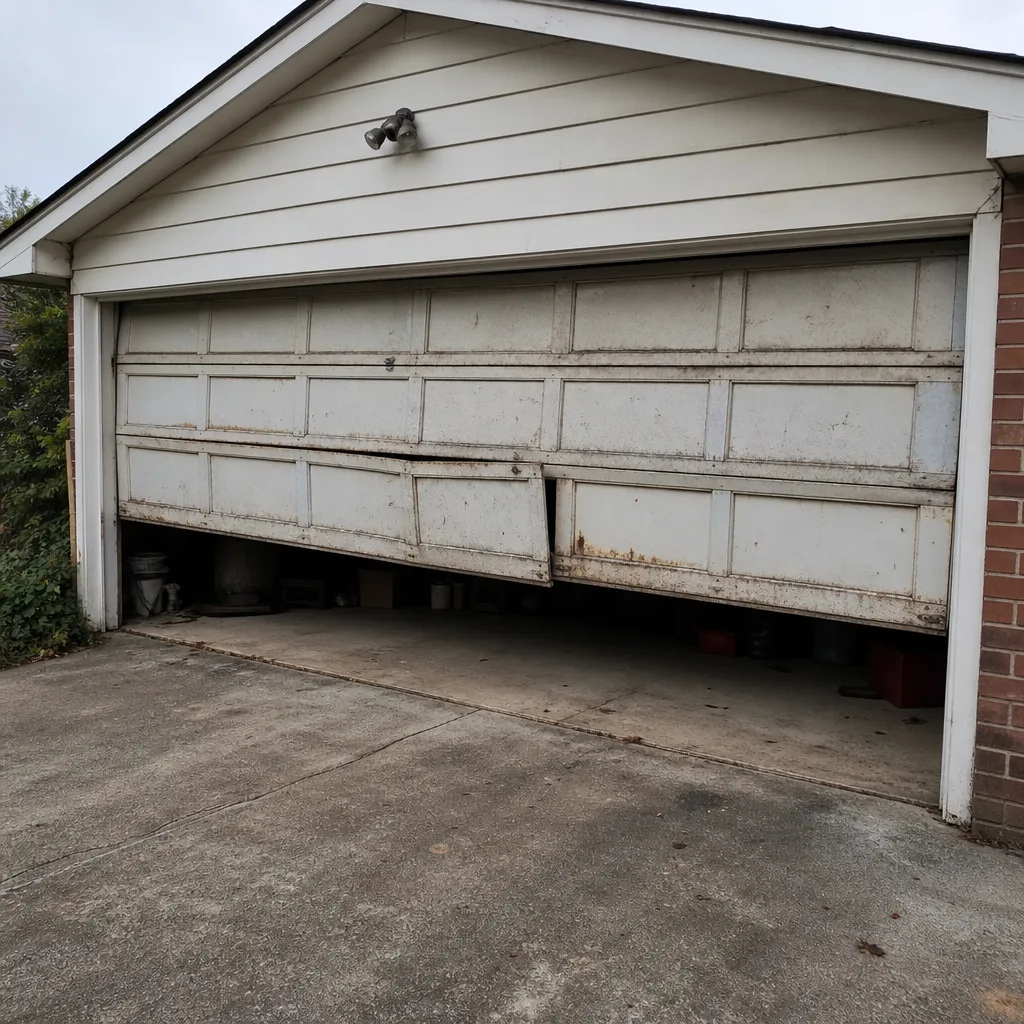 Before
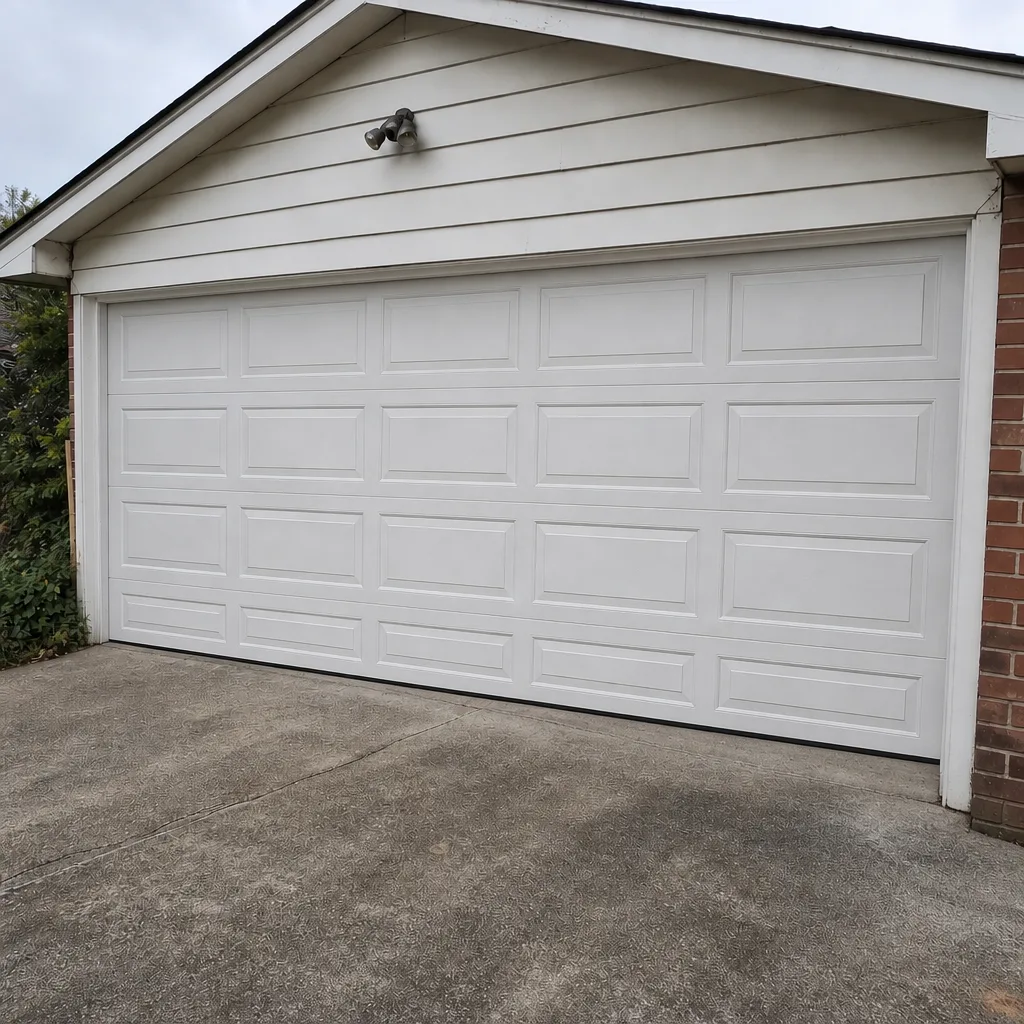 After
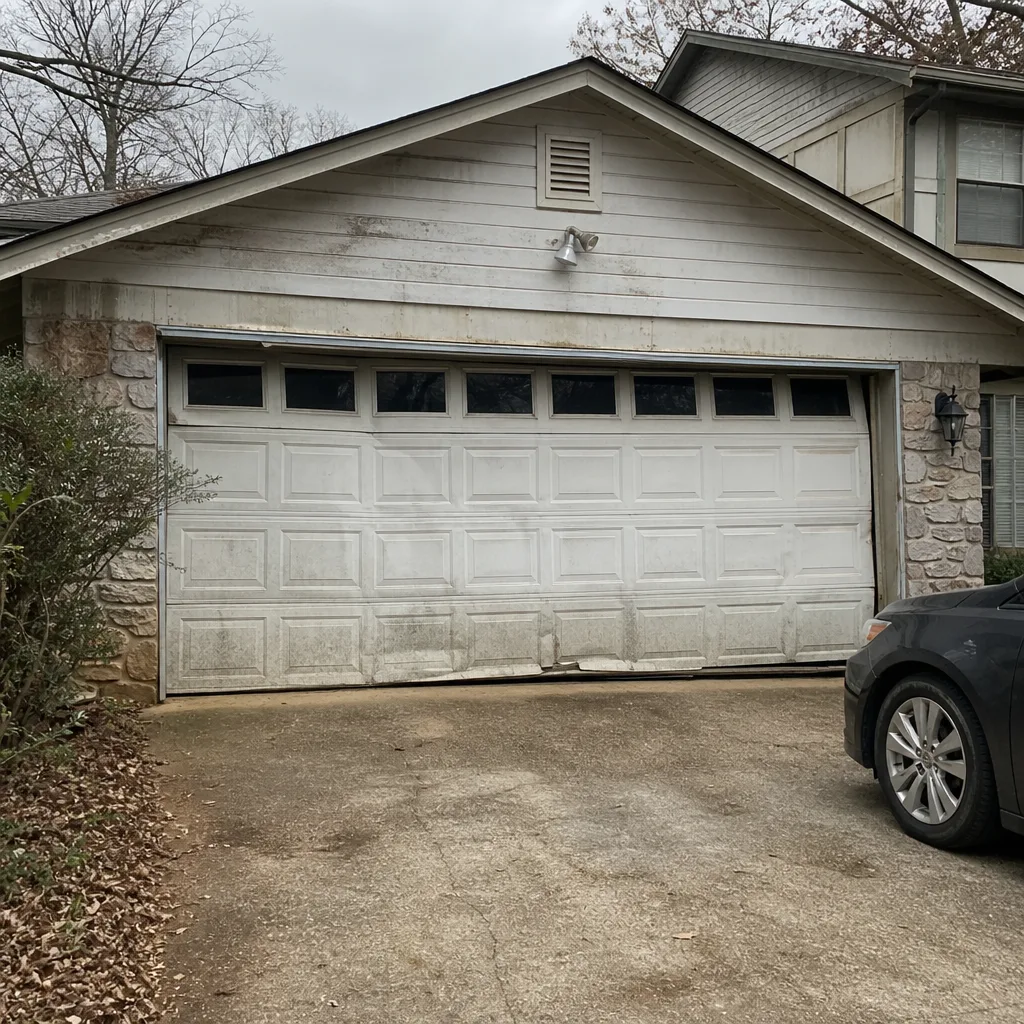 Before
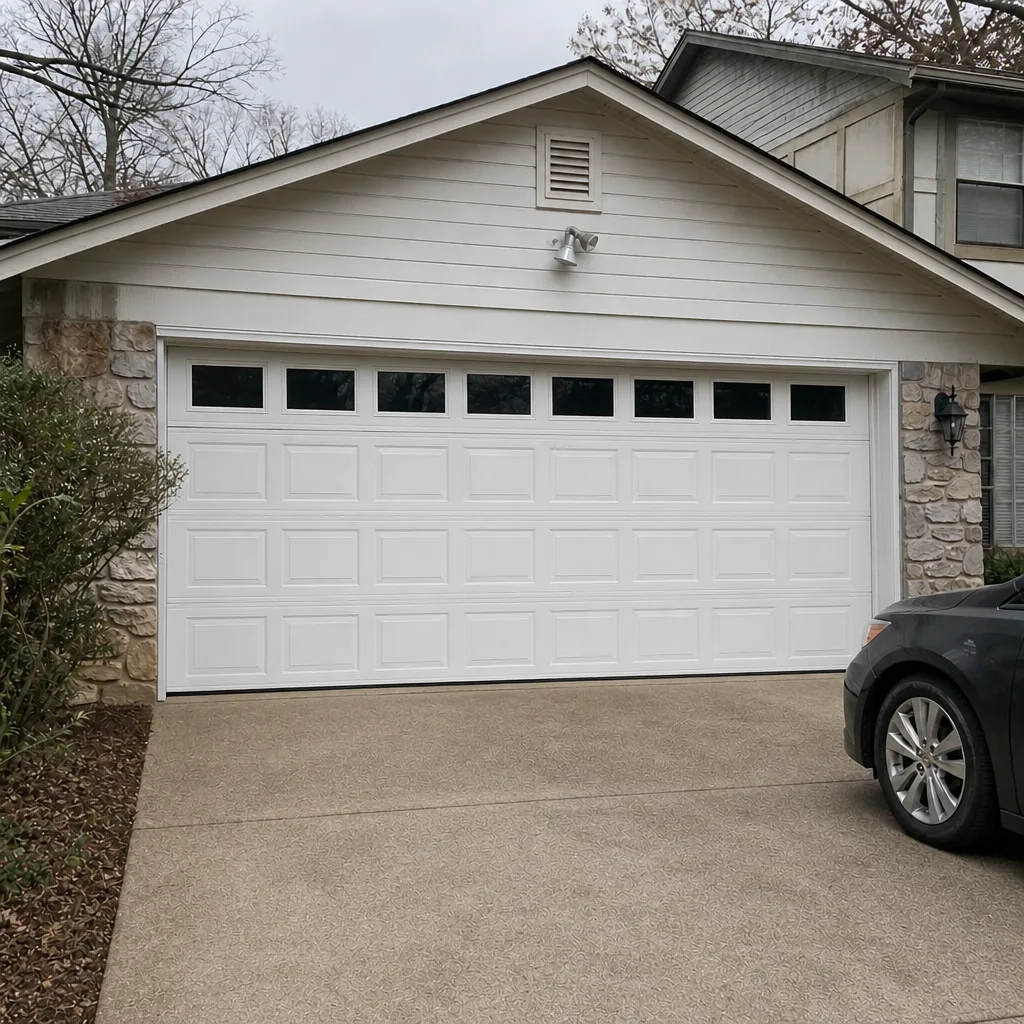 After
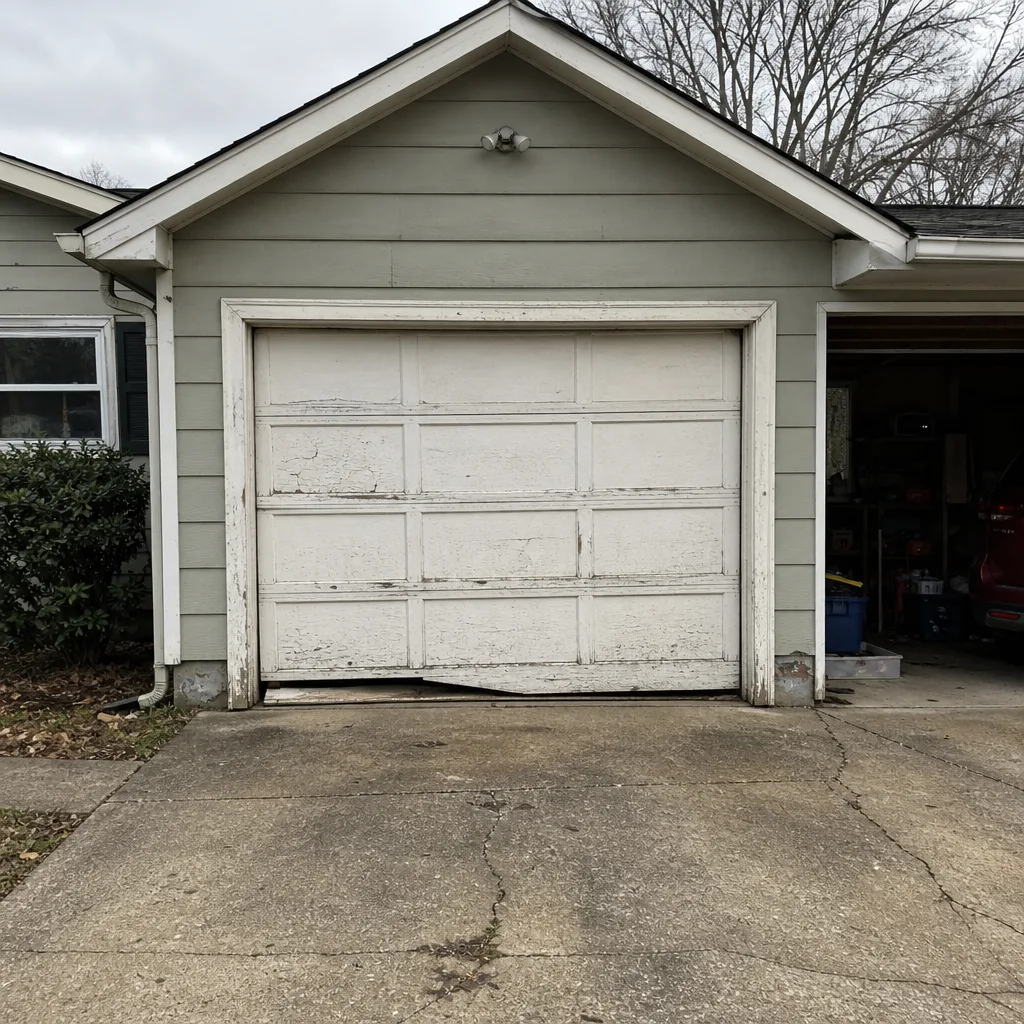 Before
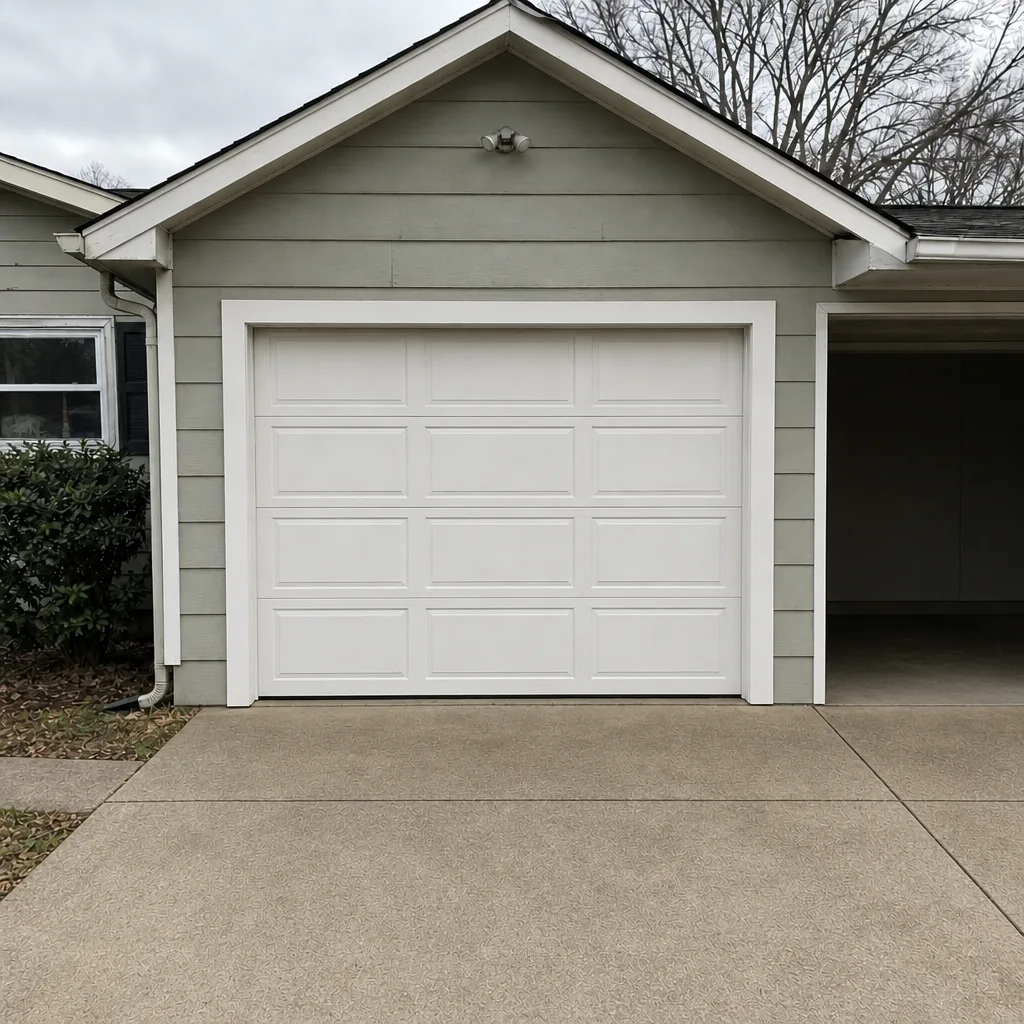 After
When to Call a Professional
Call a technician if you see any of the three stop signs, if a new sound has appeared on a door that was recently quiet, if the door has become noticeably out of balance, or if a sign at the floor or a panel bow has changed shape rather than lingering steady. Call if you’re unsure whether what you’ve noticed is worth worrying about, because a short inspection is far cheaper than a repair caused by waiting. If a door won’t move at the worst possible time, our line answers 24/7 and we dispatch 7am to 7pm, Sunday through Friday. A Woodstock homeowner doesn’t have to be stuck with a door that won’t budge. For Woodstock Garage Door Repair Pros services across repair, opener work, spring work, and full installs, a single call covers it. We’re 100% focused on garage doors, which means the person who comes out knows the actual brand you own. We offer free estimates in Woodstock. Call (833) 991-7530. We answer 24/7. Fast dispatch from 7am to 7pm, Sunday through Friday.
Frequently Asked Questions
The most common is a new sound during operation, especially a grinding or scraping that wasn’t there before. In the humid months here, sensor false-triggering from condensation and pollen is the runner-up. A door that reverses on its own with no obstruction is usually a dirty or misaligned sensor and is worth cleaning before you assume a bigger problem. If a new sound accompanies a door that’s also become uneven, that combination points to the mechanical side and is worth a look. Call (833) 991-7530 for an exact quote; estimates are free.
You can see a broken torsion spring as a clean gap in the coil, and the door usually won’t lift or lifts very unevenly. A broken spring is a stop sign: stop using the door and call a technician. Don’t try to force it. If one spring in a matched pair has failed, the other is carrying the load, which is exactly the situation where the door can drop. Call (833) 991-7530 for an exact quote; estimates are free.
Because the safety sensors work on an infrared beam, and humidity and pollen both interfere with it. Condensation on the lenses or a pollen coating breaks the beam, and the door reverses as a safety response. Wiping the lenses and checking sensor alignment is safe to do yourself. If the door still reverses after that, the problem is more likely in the opener or a mechanical fault, and it’s time to have it looked at. Call (833) 991-7530 for an exact quote; estimates are free.
No. Torsion springs and cables retain severe stored energy, and the tools to release that energy safely are specialized. A slip can cause serious injury. This is a job for a trained technician, and it’s the single most important safety line in this guide. Call (833) 991-7530 for an exact quote; estimates are free.
If the door’s panels and track are sound and the issue is mechanical (springs, cables, rollers, opener), repair is usually the sensible path. Replacement makes sense when panels are structurally bowed beyond repair or the door is out of balance in a way that can’t be corrected. A qualified technician can tell you which case you’re in, and a written estimate sets the final price before any work starts. Call (833) 991-7530 for an exact quote; estimates are free.
The written estimate is the price: the price is quoted and agreed before any work starts. Some jobs reveal more once the door is opened up (a bent track under a panel), and in that case you’ll get a revised written quote before the extra work proceeds. You won’t be surprised by an invoice larger than the quote. Call (833) 991-7530 for an exact quote; estimates are free.
The Bottom Line
Warning signs are only useful if you can tell the difference between a cosmetic quirk and a mechanical failure in progress. Three signs are stop-now: a gap in a torsion spring, a cable off its drum or visibly slack, and a door that won’t stay up on the manual release. New sounds, a door that’s become uneven, a bottom gap that’s changed shape, and a panel bow are schedule-now, because waiting turns a small repair into a big one. Woodstock’s humid summers and west-facing sun exposure change what you should look at and when. Don’t touch springs or cables. Do the safe checks, note the timing, and call when it stops being a watch item.
When you need a specialist who knows your brand, we work on the door you actually own. Diagnosed right, fixed fast. Call (833) 991-7530. We answer 24/7. Fast dispatch from 7am to 7pm, Sunday through Friday. Free estimates come before any work starts.
Written by the team at Woodstock Garage Door Repair Pros.