
Last updated November 23, 2026
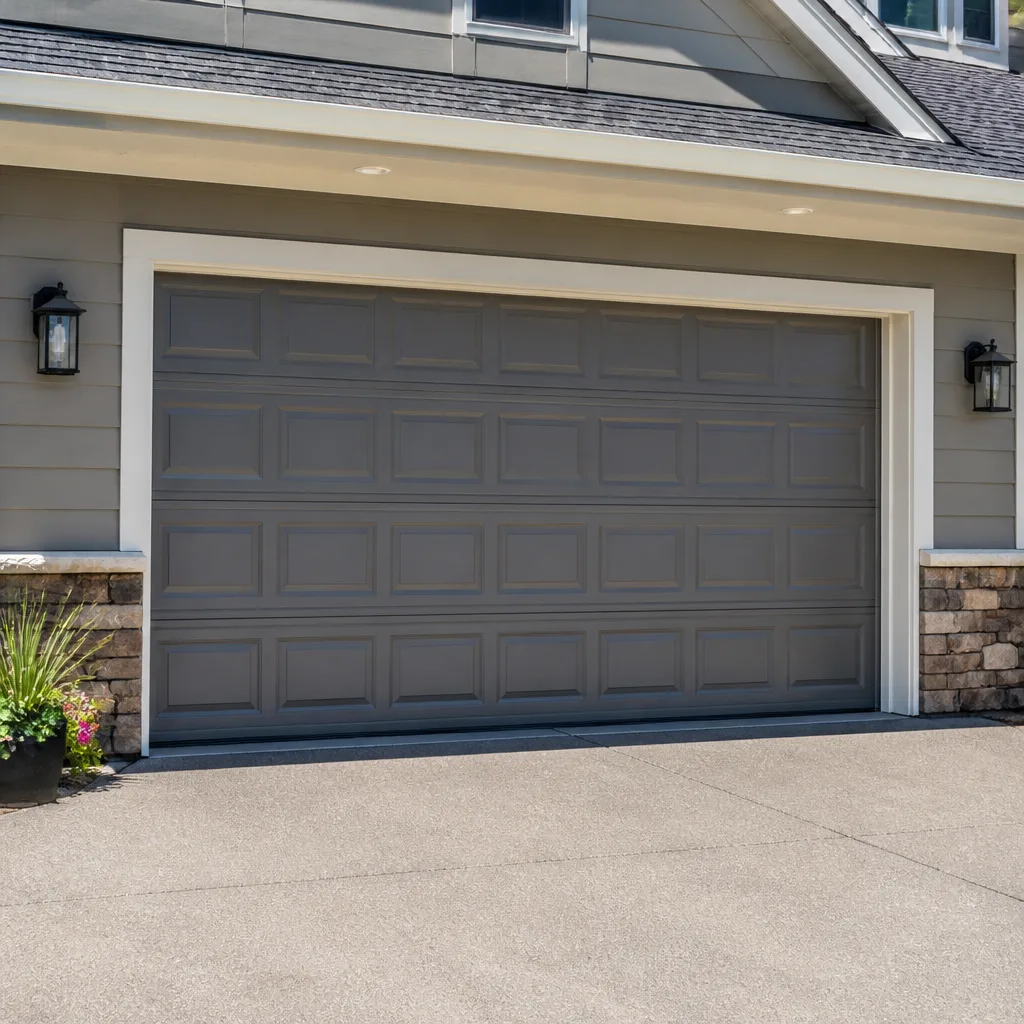 Raised-panel steel
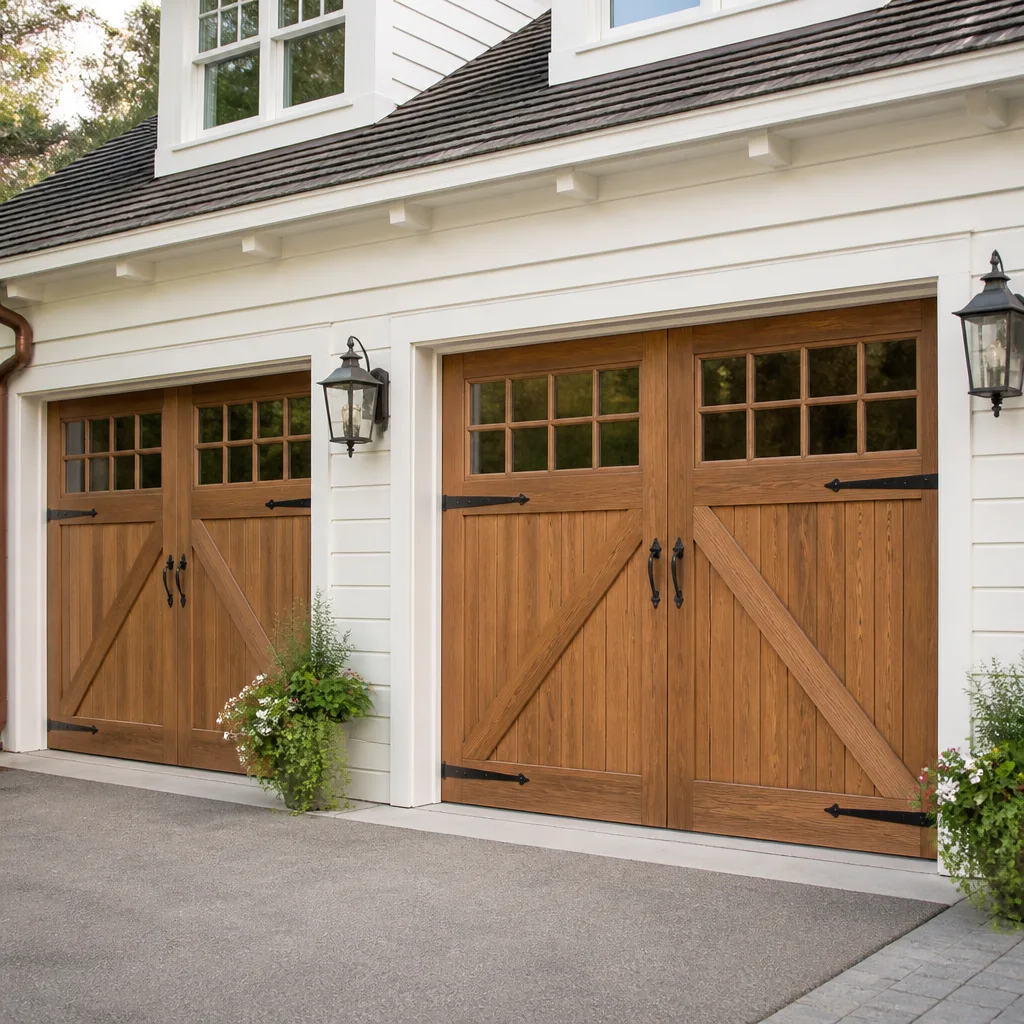 Carriage house
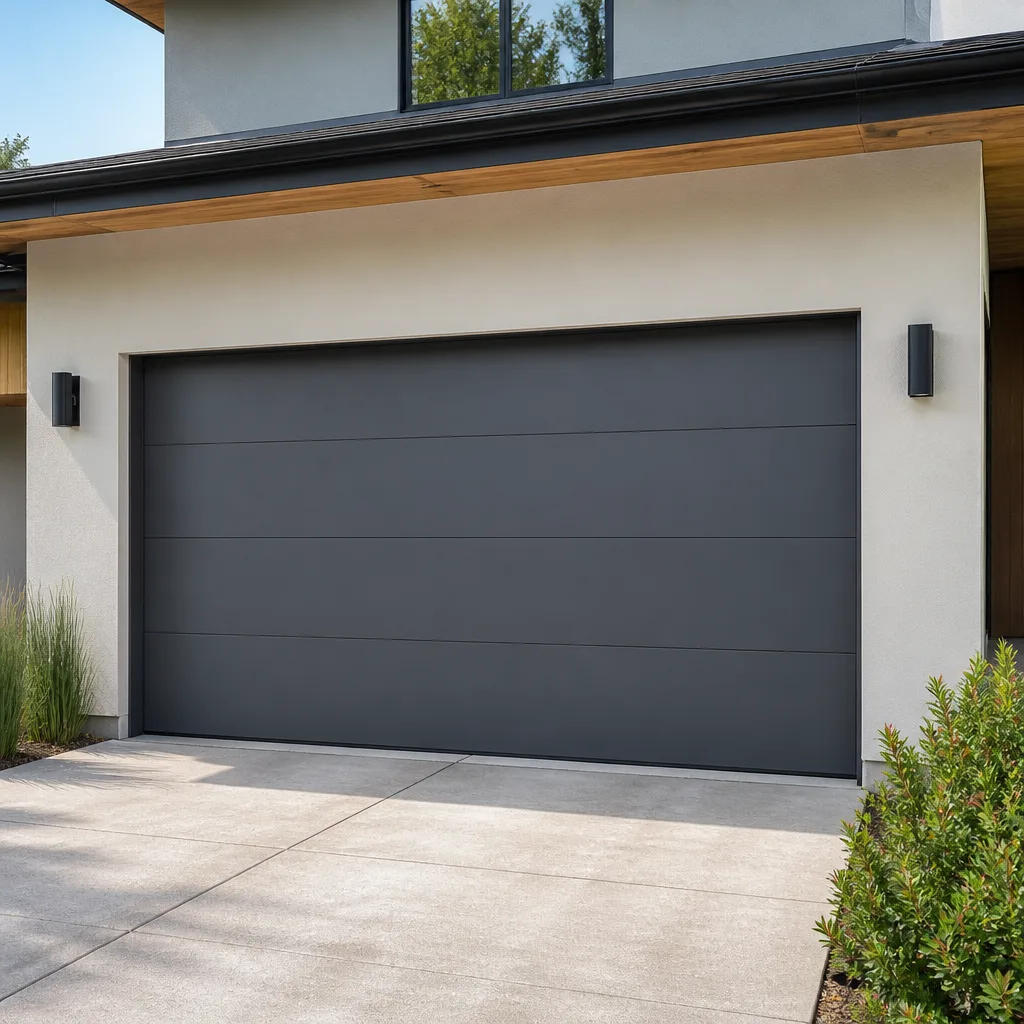 Modern flush
 Full-view glass
 LiftMaster openers
 Chamberlain openers
Full 25-point door and opener safety check with every visit - springs, cables, rollers, tracks, and your LiftMaster or Chamberlain opener included
You get a price before we start. It does not change when the pro arrives.
Get your free estimateSeasonal Garage Door Care for Woodstock: Year-Round Homeowner’s Guide
Most seasonal garage door guides hand you four neat boxes: spring, summer, fall, winter. Woodstock doesn’t work that way. Our maintenance calendar here runs on humidity spikes, pollen loads, and short freeze-thaw windows, and the tasks that actually prevent breakdowns don’t line up with the calendar on your wall. Woodstock gets about 12 days of below-freezing temperatures a year, but those 12 days cause a share of annual service calls that’s far out of proportion to their number. Almost always, the failure traces back to one fall task most homeowners skip. This guide maps garage door care to how the weather really moves through Woodstock, from pollen season through the late-fall lubrication window, so you can stop reacting to breakdowns and start preventing them.
Quick Answer
Garage door care in Woodstock follows the local climate, not the calendar. Clean and lubricate in late October to mid-November before the first freeze, keep tracks clear of pollen and debris through spring, watch for corrosion and sun damage in the humid summer months, and never force a door that’s frozen to the floor. The single most important task is fall lubrication, done early enough to seat before cold weather sets in.
Styles & brands we work with
- Raised-panel steel
- Carriage house
- Modern flush
- Full-view glass
- LiftMaster openers
- Chamberlain openers
Table of Contents
- Spring: Pollen, Tracks, and the Wash-Then-Lube Rule
- Summer: Humidity, Corrosion, and Afternoon Sun
- Fall: The Pre-Freeze Checklist Window
- Winter: When Your Door Freezes to the Floor
- Year-Round: How Tree Canopy Shapes Wear
- The Woodstock Maintenance Calendar at a Glance
- Common Mistakes to Avoid
- When to Call a Professional
Spring: Pollen, Tracks, and the Wash-Then-Lube Rule
Spring in Woodstock means pollen, and pollen is abrasive. It drifts into tracks, settles on rollers, and mixes with whatever lubricant is already there to form a gritty paste that grinds away at moving parts every time the door cycles. The damage is slow and quiet, which is exactly why it gets missed.
The sequence matters more than the effort. Clean first, then lubricate. Lubricating over a dirty track traps the grit and accelerates the wear you were trying to prevent.
- Wipe the tracks with a damp cloth. Run the cloth along the inside of each vertical and horizontal track. You’re removing pollen film and grit, not scrubbing.
- Let the tracks dry completely. Moisture under fresh lubricant is how rust starts in a humid climate.
- Check the rollers. Nylon rollers generally just need a wipe-down. Steel rollers benefit from a light application of a garage-door-specific lubricant on the bearing, not the wheel surface.
- Wipe the weather seal. A damp cloth removes pollen from the bottom seal and helps you spot cracking early.
- Test the balance. Disconnect the opener and lift the door halfway by hand. It should hold there. If it drops or rises on its own, the springs are telling you something.
One local wrinkle: the tree canopy in older Woodstock neighborhoods holds pollen and debris longer than open lots do. If your door faces a mature hardwood, plan on a second quick track wipe mid-season. A door that starts juddering or running louder in April is usually just a dirty track, not a failing opener. Cleaning fixes it more often than parts do.
If the door is still binding after a clean track and a balance check, the problem is mechanical, not seasonal. That’s the point to look at garage door repair rather than keep adjusting things yourself.
Summer: Humidity, Corrosion, and Afternoon Sun
Woodstock’s sustained summer humidity changes what you should watch for. Torsion springs are the component most affected. They carry the full weight of the door under constant tension, and humidity accelerates surface corrosion on the coils. Rust on a spring isn’t cosmetic. It’s a stress riser, and a corroded spring is a spring closer to breaking.
Here’s what to check on a summer walk-around:
- Spring coils: Look for orange or brown oxidation along the length of the spring. Light surface rust can be wiped and treated. Deep pitting or visible gaps in the coil means it’s time for an inspection.
- Hinges and fasteners: Humidity works on every metal-to-metal contact point. A light touch of lubricant on hinges keeps them moving freely.
- Bottom seal: Heat makes rubber brittle. Run your hand along the seal and look for cracks or a stiff, hardened texture.
- Paint and finish on south- and west-facing doors: Afternoon sun exposure fades paint and can warp less-stable panel materials over time. A door that faces the afternoon sun takes more UV load than one under shade, and it shows up as chalky finish or panel bowing.
The sun exposure point is worth sitting with. In Woodstock, a west-facing door absorbs heat all afternoon and holds it into the evening. That thermal cycling, combined with humidity, is harder on seals and finishes than the raw temperature alone suggests. If your door faces that way, check the bottom seal and panel finish more often than the generic advice suggests.
Summer is also when openers get worked hardest, since the door runs more and the motor runs hotter. If your LiftMaster or Chamberlain unit is straining, juddering, or reversing on its own, that’s opener territory. Our garage door opener repair covers the brand you already own rather than a generic workaround.
Fall: The Pre-Freeze Checklist Window
This is the section that matters most. In Cherokee County, the practical window for pre-freeze prep runs from late October into mid-November. Miss it and you’re heading into the cold season with dry, unprotected moving parts.
Why timing is everything: lubricant needs to seat into hinges, rollers, and the spring coils while temperatures are still mild. Apply it too early and it collects dust through the rest of fall. Apply it too late, once the cold has set in, and it sits on the surface instead of working into the joints. The sweet spot is a stretch of mild, dry weather in that late-October-to-mid-November window, when the lubricant has time to settle before the first hard freeze.
Your pre-freeze checklist:
- Clean tracks and rollers thoroughly. Same sequence as spring: clean, dry, then lubricate.
- Lubricate hinges, rollers, and spring coils with a garage-door-specific lubricant. Avoid general-purpose oils and WD-40 as a lubricant; they attract dust and don’t hold up.
- Inspect the bottom seal and replace it if it’s cracked or stiff. A flexible seal handles a frozen floor far better than a brittle one.
- Test the safety reverse. Place a solid object in the door’s path and confirm the door reverses on contact. This is a safety function, not a convenience feature.
- Check the balance by hand. A door that won’t hold halfway is a spring problem waiting for the first cold snap.
- Listen for new sounds. Grinding, squealing, or a bang on opening all mean something specific. Catch them now, not in January.
Do those six things and you’ll avoid the most common cold-weather failure, which is a door that refuses to move on the first freezing morning because its moving parts were dry and stiff going in. Woodstock’s 12 below-freezing days are short, but they arrive fast. Preparation is the whole game.
Winter: When Your Door Freezes to the Floor
A garage door freezing to the floor is common enough in Woodstock’s cold snaps, and the response matters. The wrong instinct does real damage.
Here’s what actually happens. Meltwater runs under the bottom seal during the day, then refreezes overnight and bonds the seal to the concrete. The door isn’t broken; it’s stuck. The garage door opener, unaware of the difference, keeps pulling.
The correct response, in order:
- Stop cycling the opener. Every attempt strains the opener motor and puts load on the springs.
- Disconnect the opener using the manual release so the door isn’t fighting the motor.
- Free the seal gently. Warm (not hot) water along the bottom edge, or a gentle pry with a plastic tool, loosens the bond. Never use a metal tool or force the door upward.
- Clear the meltwater path so it doesn’t refreeze in the same spot.
- Once free, dry the seal and inspect it for damage before reconnecting the opener.
The common “fix” that destroys bottom seals is forcing the door up while it’s frozen. That tears the seal, and sometimes bends panels or damages the tracks. We see it every cold season. A torn seal lets water and debris in, which leads to more freezing next time.
If the door is stuck and won’t budge even after freeing the seal, or if the springs look wrong, don’t force it. Our team handles garage door spring repair, and a trained technician can tell in minutes whether the problem is ice or a spring that’s reached the end of its life.
A word on springs
Springs are under extreme tension and are genuinely dangerous to work on. A torsion spring can cause serious injury if it releases unexpectedly, and the tools and technique required aren’t the kind of thing to figure out from a video. We handle spring work with trained technicians for exactly this reason. If you suspect a spring problem, treat it as a professional job, not a homeowner project.
Year-Round: How Tree Canopy Shapes Wear
Woodstock’s older neighborhoods are full of mature tree canopy, and it shapes garage door wear in ways that don’t show up in a generic guide. The canopy creates shade, and shade holds moisture longer. It also drops debris that collects on the door and around the seals.
What the canopy does to your door:
- Slower drying: Shaded surfaces stay damp after rain, which means rust has more time to start on springs, hinges, and fasteners.
- Debris in tracks: Leaves, twigs, and seed pods collect in horizontal tracks and roof-side seals. A seed pod stuck in a track is a jam waiting for the next cycle.
- Sap and pollen: Both settle on door panels and seals, and both attract grit. A shaded door under a maple or oak needs cleaning more often than one in full sun.
- Seal wear: Constant contact with debris breaks down the bottom seal faster. A shaded, debris-heavy door typically needs seal attention sooner than an open-exposure one.
If your home sits under dense canopy, add a monthly track clearing to your routine. A leaf blower on low, or a hand sweep, is usually enough. That single habit prevents more jams than almost anything else, and it takes two minutes.
The Woodstock Maintenance Calendar at a Glance
For quick reference, here’s how the actual Woodstock seasons map to tasks.
- Early-to-mid spring: Clean tracks, wipe rollers and seals, check balance. Repeat a track wipe mid-season if your door sits under heavy canopy.
- Late spring into summer: Inspect spring coils for corrosion, lubricate hinges, check the bottom seal for heat cracking. Watch for sun-related fade and panel bowing on doors facing afternoon sun.
- Late October to mid-November: The critical pre-freeze window. Full clean, dry, lubricate sequence on tracks, rollers, hinges, and springs. Test safety reverse. Replace a brittle seal before the cold sets in.
- Winter: Respond correctly to freeze-to-floor with a gentle release, never force. Keep an eye on the seal and clear meltwater paths.
- All year: Monthly debris clearing in canopy-heavy yards. Listen for new sounds. A change in how the door moves usually means something specific, and catching it early saves money.
Common Mistakes to Avoid
- Lubricating before cleaning. Lubricant over pollen and grit turns into grinding paste. Always clean the track thoroughly and let it dry before you apply anything.
- Using the wrong lubricant. General-purpose oils and WD-40 attract dust and gum up moving parts. Use a garage-door-specific lubricant on hinges, rollers, and springs.
- Forcing a frozen door. This is the single most expensive winter mistake in Woodstock. It tears bottom seals and can bend panels. Free the seal gently and disconnect the opener first.
- Skipping the fall window. Applying lubricant too late, after the cold has set in, means it won’t seat properly. The late-October-to-mid-November window in Cherokee County matters.
- Ignoring rust on the springs. A little surface corrosion is manageable. Pitting and coil gaps are not. Check in summer, before humidity has had all season to work on the coils.
- Treating the door as a non-moving device. Every cycle adds wear. A door that squealed last week will bang next month if you don’t address it.
- Assuming loud means broken. A juddering door is often just a dirty track. Clean and re-lubricate before you assume the opener or springs need replacing.
When to Call a Professional
Most of this calendar is homeowner-friendly. Some of it isn’t. Call a professional when the door won’t hold halfway when disconnected, when springs show pitting or visible coil damage, when the opener reverses without an obstruction, when tracks are bent or out of alignment, when the door hangs at an angle, or when a spring breaks outright. Springs and cables are dangerous and belong to trained hands. Our technicians have up to 15 years of experience with the brands homeowners actually own, including LiftMaster, Chamberlain, Genie, and Clopay.
Woodstock Garage Door Repair Pros offers free estimates in Woodstock. Call (833) 991-7530. We answer 24/7. Fast dispatch from 7am to 7pm, Sunday through Friday. The price is quoted and agreed before any work starts, and the written estimate sets the final price, so there’s no surprise once we’re on site.
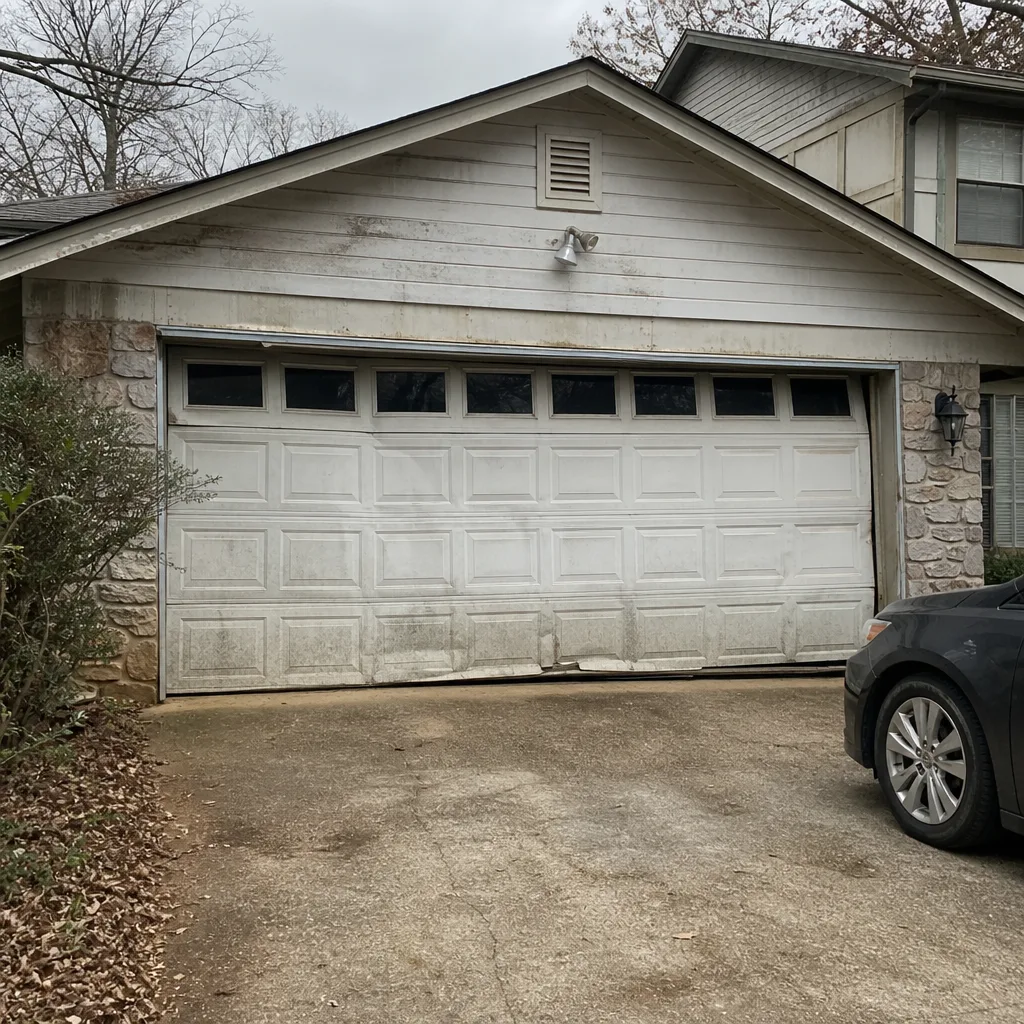
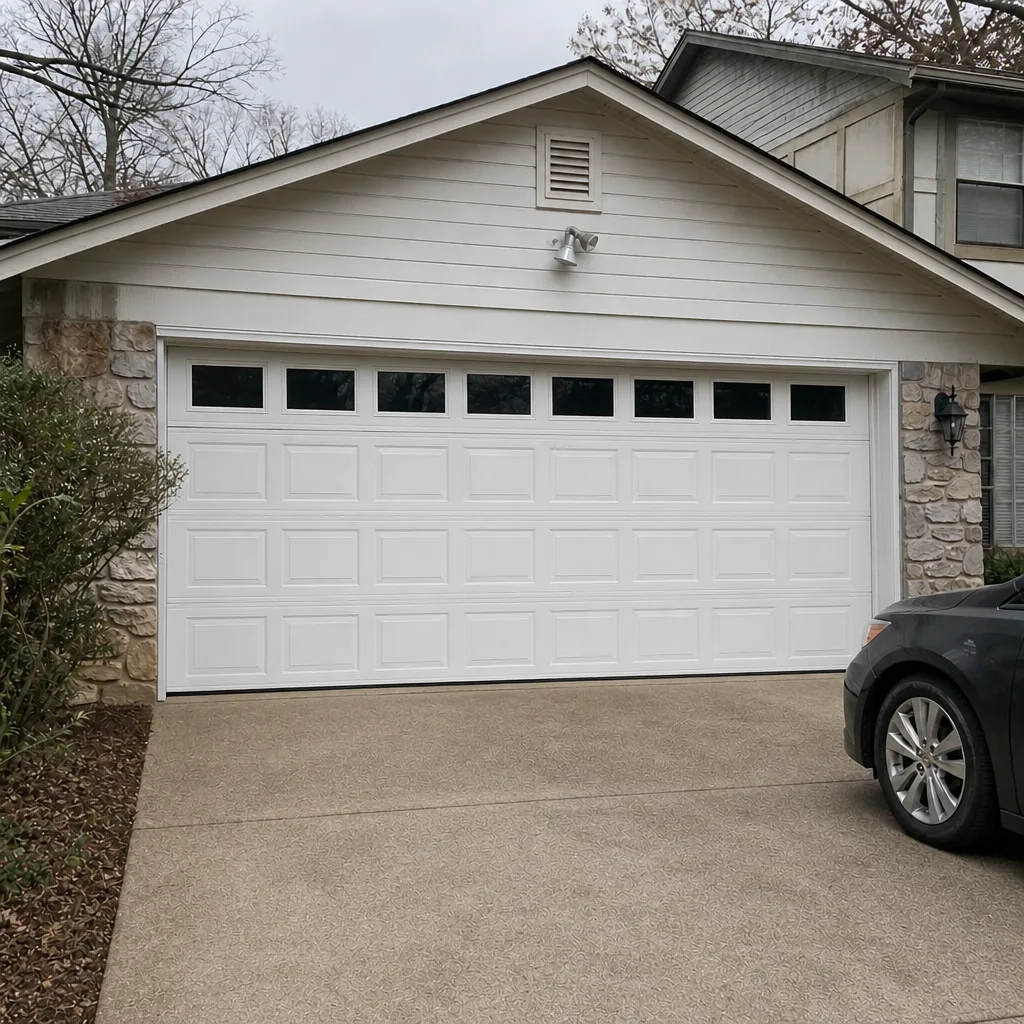
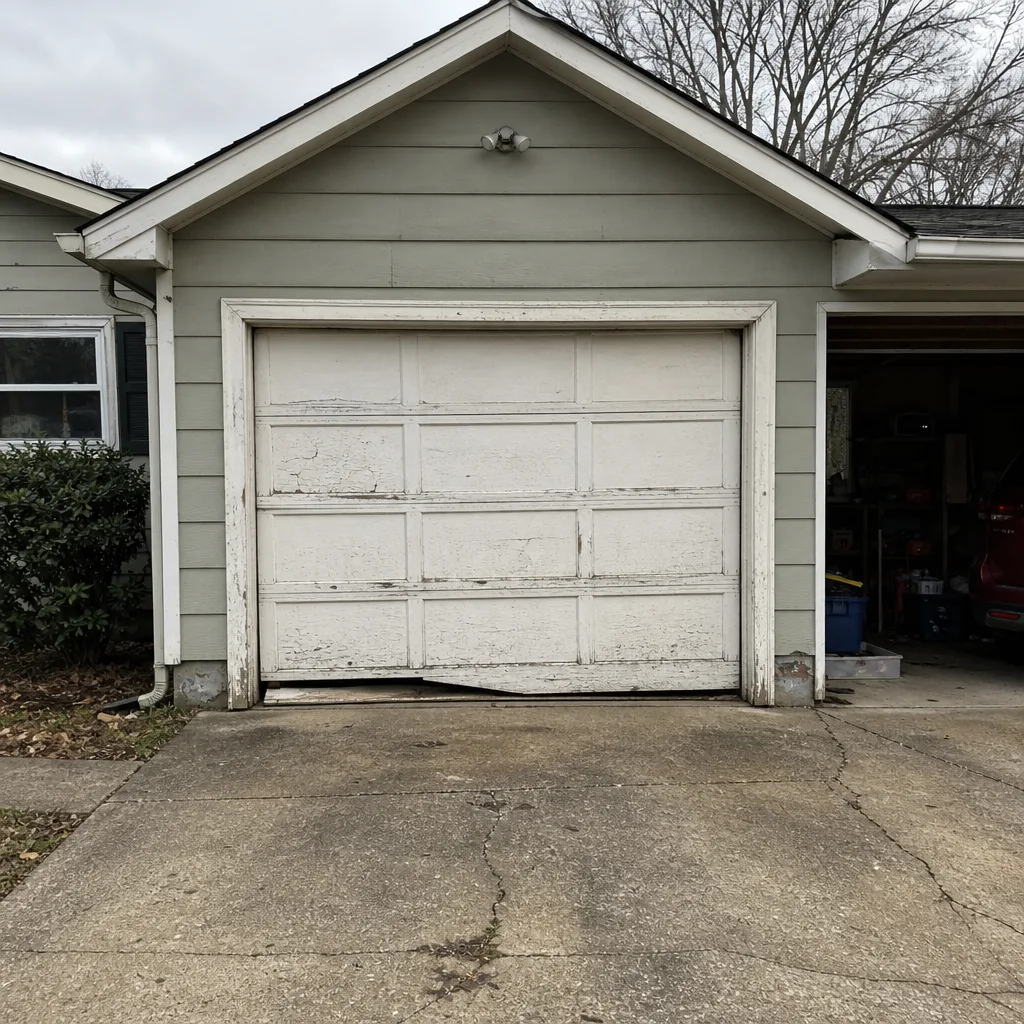
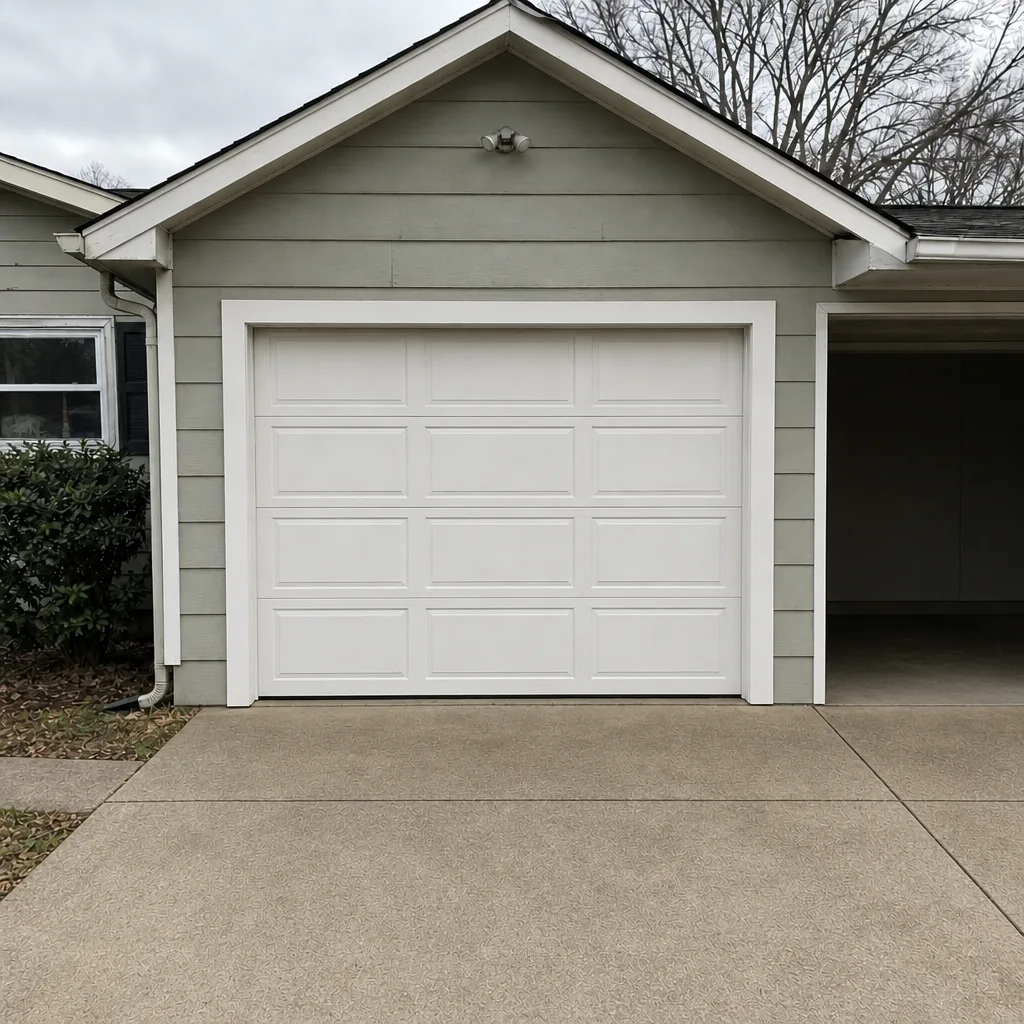
See the difference
 Before
 After
 Before
 After
 Before
 After
Frequently Asked Questions
Once in late October to mid-November before the first freeze, plus a lighter touch in spring if your door sits under heavy canopy. The fall application is the critical one because it needs to seat before the cold arrives. Call (833) 991-7530 if you’d like a technician to check the door’s balance and moving parts as part of a free estimate.
Loud operation in Woodstock springs is almost always pollen and grit in the tracks combined with dried-out lubrication. Clean the tracks thoroughly, let them dry, then re-lubricate. If the noise continues after a clean and lube, the issue is mechanical and worth a professional look.
Stop cycling the opener, disconnect it with the manual release, and gently free the seal with warm water or a plastic tool. Never force the door upward, since that tears the bottom seal and can bend panels. If it won’t free after that, call a technician rather than keep trying.
Yes. Springs are under extreme tension and can cause serious injury if they release unexpectedly. This is one job that belongs to trained technicians, not a weekend project. If a spring looks corroded or broken, treat it as a professional job.
It does. Sustained summer humidity accelerates surface corrosion on torsion springs, and rust on a spring acts as a stress riser. Check the coils for oxidation in summer, and have pitting or coil damage inspected before it becomes a break.
Often, yes. Same-day service is available for repair calls in Woodstock, and we handle diagnosis and repair in one visit rather than sending you to a second contractor. Call (833) 991-7530. We answer 24/7. Fast dispatch from 7am to 7pm, Sunday through Friday.
The Bottom Line
Woodstock’s garage door care calendar doesn’t match the neat seasonal template most guides use. It runs on pollen, humidity, and a short pre-freeze window that carries most of the weight. The two tasks that prevent the most breakdowns are a fall clean-and-lubricate sequence timed for late October to mid-November, and a correct, gentle response when the door freezes to the floor. Everything else, from spring track cleaning to summer corrosion checks, supports those two. Trees, sun exposure, and humidity each shift the details, but the principle holds: clean before you lubricate, prepare before the cold, and never force a stuck door. Handle that and most of the year takes care of itself.
Garage doors are all we do. When your door won’t move, we will. Call Woodstock Garage Door Repair Pros at (833) 991-7530 for a free estimate. We answer 24/7. Fast dispatch from 7am to 7pm, Sunday through Friday.
Written by the team at Woodstock Garage Door Repair Pros.