
Last updated November 23, 2026
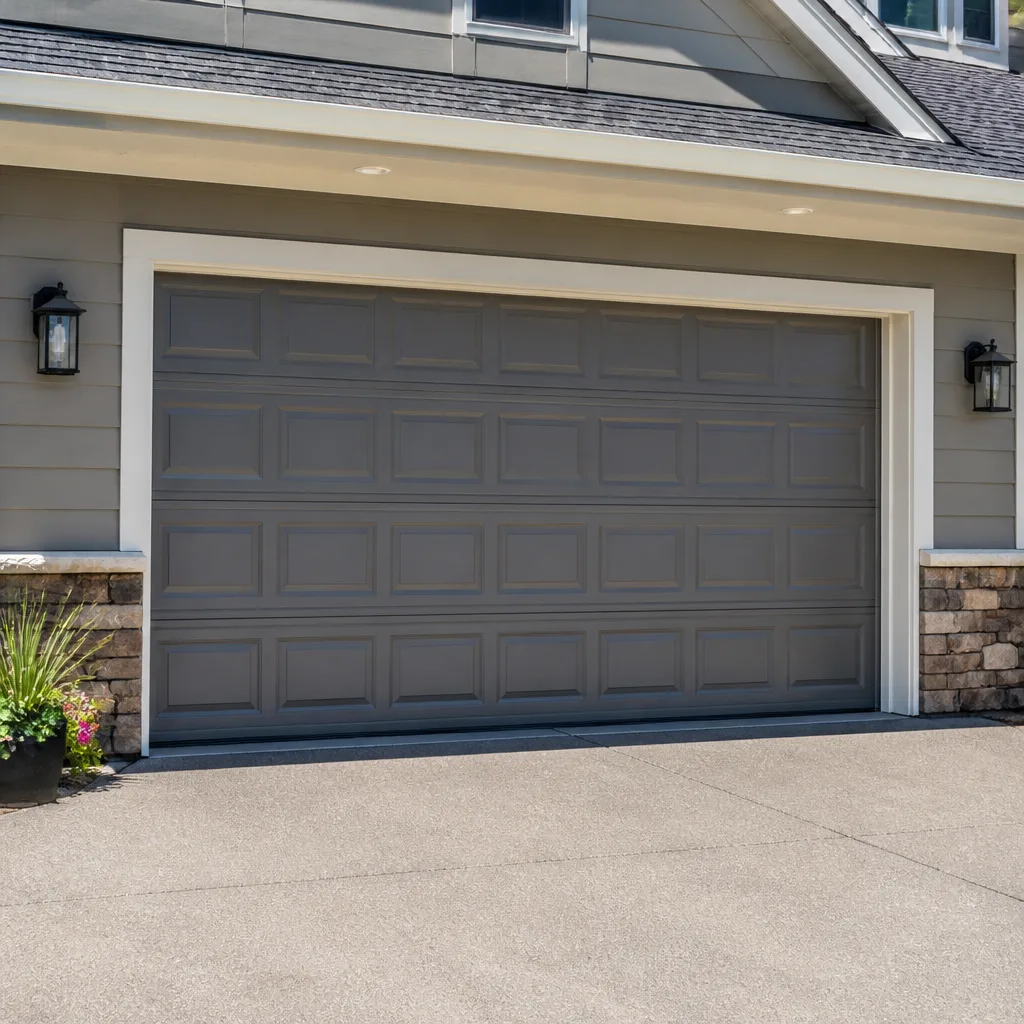 Raised-panel steel
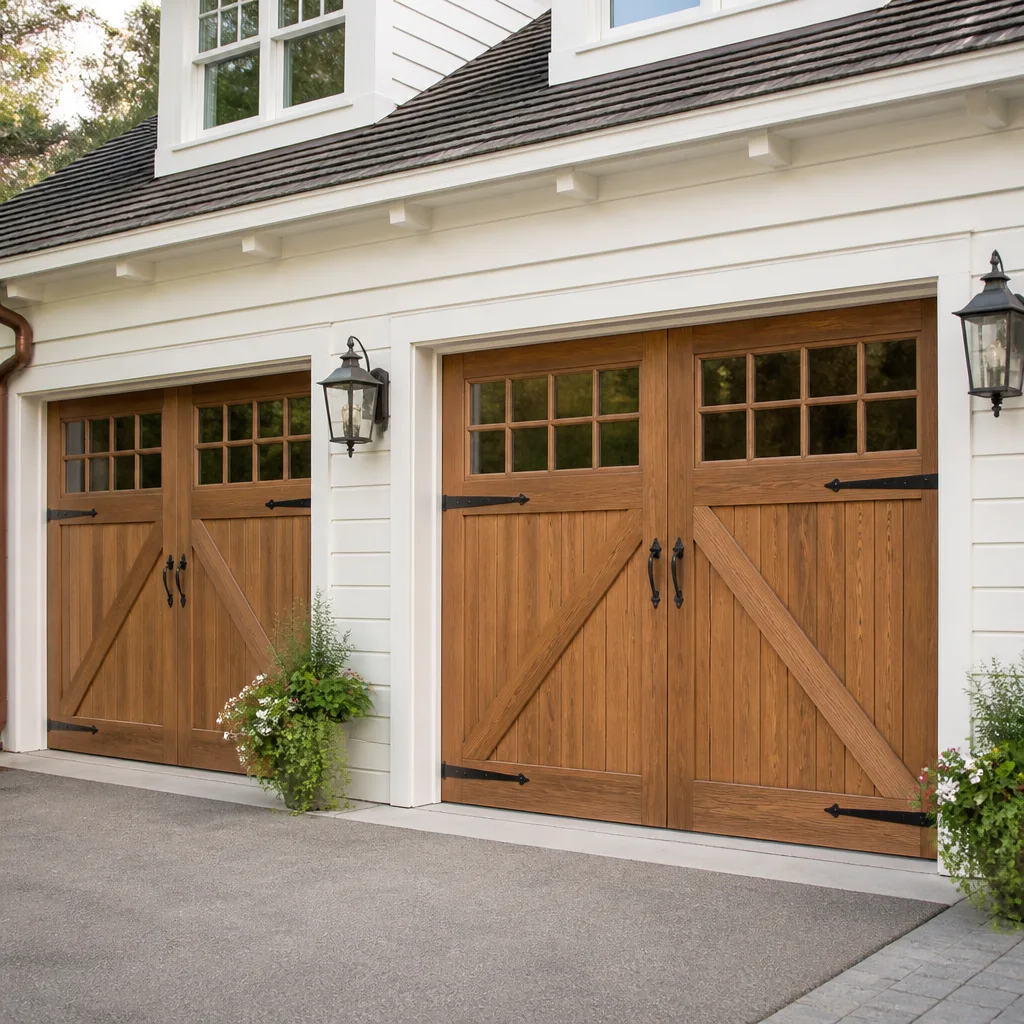 Carriage house
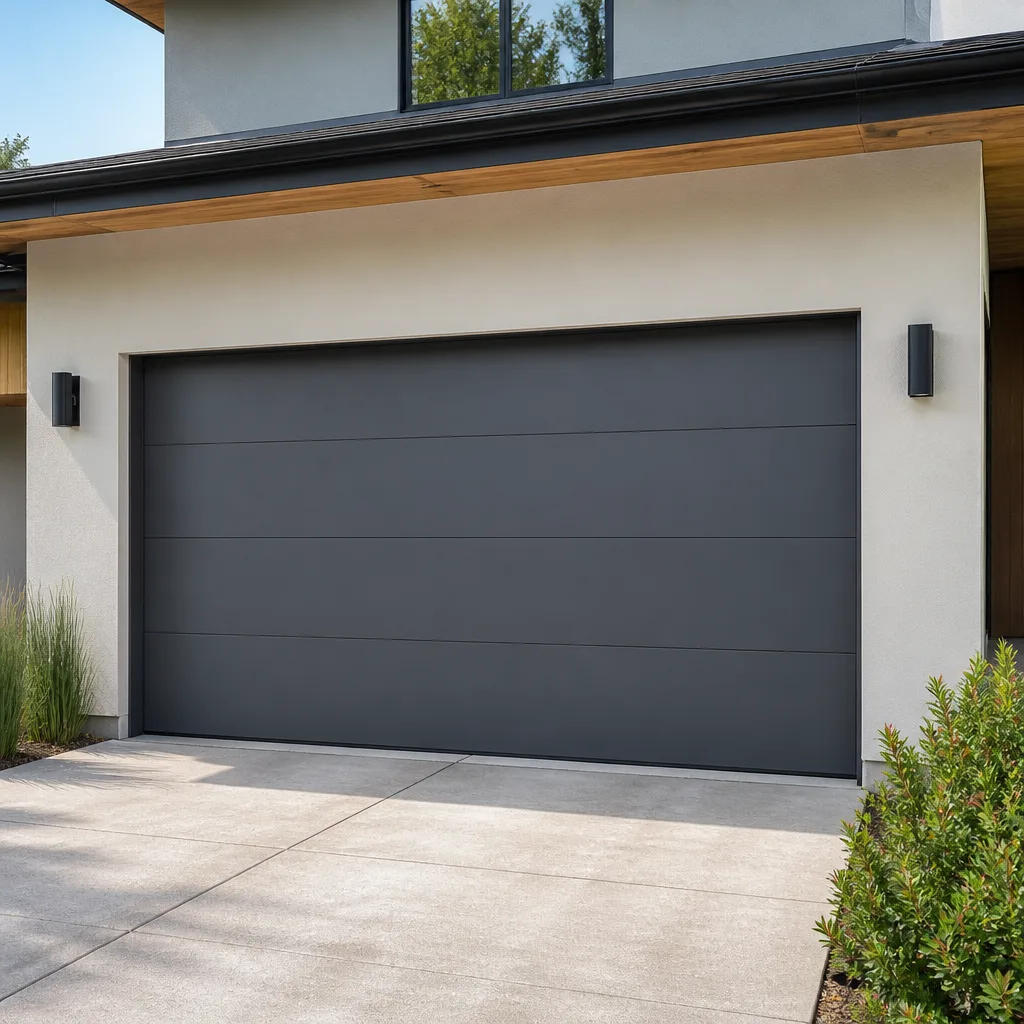 Modern flush
 Full-view glass
 LiftMaster openers
 Chamberlain openers
Full 25-point door and opener safety check with every visit - springs, cables, rollers, tracks, and your LiftMaster or Chamberlain opener included
You get a price before we start. It does not change when the pro arrives.
Get your free estimateGarage Door Permits, Codes & Inspections in Woodstock, GA: What You Need to Know
Most Woodstock homeowners assume a garage door swap is permit-free. Usually they’re right, and that’s exactly where the trouble starts. The jobs that do cross the line into permit territory are the ones nobody flags: a new rough opening, a header change to fit a taller door, a smart system wired into a new build. A door replacement takes a few hours. A permit problem found during a home sale can take weeks to untangle, and the cost often lands on the seller. This guide maps the actual permit triggers in Woodstock, what an inspection checks, and what paperwork to keep afterward.
Quick Answer
In Woodstock, GA, replacing a garage door in the same opening with the same dimensions is generally treated as ordinary maintenance and doesn’t require a permit. Work that changes the structure does: cutting a new opening, resizing one, altering a header or load-bearing wall, or adding an attached garage. When a permit is required, the inspection focuses on structural attachment, the door’s wind rating, and the fire-rated separation between the garage and the living space. Always confirm the specifics with the City of Woodstock’s building department before work starts.
Styles & brands we work with
- Raised-panel steel
- Carriage house
- Modern flush
- Full-view glass
- LiftMaster openers
- Chamberlain openers
Table of Contents
- What Garage Door Work Is Exempt in Woodstock?
- The Permit Triggers That Catch Homeowners Off Guard
- How the Georgia State Minimum Standard Codes Apply to Garage Doors
- What an Inspection Actually Checks
- Fire-Rated Doors Between Attached Garages and Living Space
- What Unpermitted Garage Work Does to a Homeowner’s Insurance Claim
- The Paperwork to Keep After a Permitted Job
- Step by Step: How to Confirm What Your Woodstock Job Requires
What Garage Door Work Is Exempt in Woodstock?
Straight answer: a like-for-like door replacement is normally exempt from permitting in Woodstock, GA. If the opening stays the same size, the header doesn’t move, and you’re swapping one door and its track and hardware for another of the same footprint, you’re doing maintenance. Repairs fall on the exempt side too: spring replacement, cable and roller swaps, opener replacement, panel replacement on a sectional door, and track realignment.
That covers the large majority of what we see in Woodstock. Most homes off Main Street, in the neighborhoods around Ridgewalk, and out toward Towne Lake have standard seven- or eight-foot openings. A homeowner replacing a tired door with a new Amarr or Wayne Dalton model in that same opening is not pulling a permit, and shouldn’t be told they need one.
The line gets crossed when the job stops being a replacement and becomes an alteration. Here’s where that generally happens:
- The rough opening grows or shrinks. Going from an eight-foot door to a nine-foot door means cutting the header and reframing the opening.
- A structural header or load-bearing wall is modified. Any change to the framing that carries load above the garage needs review.
- An attached garage is added, or the garage is converted to living space. Both are structural changes with their own permit paths.
- Electrical work is added for a new opener circuit where none existed. Adding a receptacle or a dedicated circuit is an electrical permit separate from the door itself.
If you’re unsure which side of the line your project falls on, the safest move is a phone call to the city’s building department before anyone orders a door. It costs nothing and settles the question. Note that when a permitted job goes in, the structure, header and attachment are the parts under scrutiny, not the color of the door.
For straightforward replacements and repairs in Woodstock, we handle the work and you don’t need paperwork. For projects that touch structure, we’ll tell you up front that a permit is likely so you can plan for it. A free estimate will tell you which kind of job you’re looking at.
The Permit Triggers That Catch Homeowners Off Guard
The surprises in Woodstock come in three places. First, resizing. A homeowner who wants a wider door for a two-car conversion finds out the header has to be cut and reframed, which turns a door purchase into a structural permit. Second, new construction and additions where a garage is part of the plan: the opening, header and door are all part of the permitted scope, and the door installation has to match what was approved.
Third, and this is the one that goes unnoticed most often, smart and connected opener systems on newer homes. Wiring a new opener, adding a control circuit, or running low-voltage cable for a connected system can bring in an electrical permit even when the door itself is a like-for-like swap. Homeowners think of it as “just an opener” and skip the question entirely.
Here’s a practical way to sort your project:
- Same opening, same dimensions, new door or repaired parts. Generally exempt. No permit expected.
- Same opening, new opener and existing wiring reused. Generally exempt. No new electrical work.
- Same opening, new opener with a new circuit or receptacle. The door is exempt; the electrical work may need its own permit.
- Opening resized, header altered, wall changed. Expect a permit. This is a structural alteration.
- New attached garage, garage addition, or garage-to-living-space conversion. Full permit path, multiple inspections.
Woodstock has grown fast, and plenty of the homes in the newer subdivisions around Woodstock were built with attached garages and connected systems from day one. That means a lot of local homeowners hit the electrical trigger without realizing it. When we look at a job in Woodstock and see new wiring as part of the scope, we flag it before the work starts so there’s no surprise later.
If you’re on the fence, describe the project to the building department in plain terms: what’s changing, what’s staying, and whether any framing or wiring is involved. They’ll tell you what they need.
How the Georgia State Minimum Standard Codes Apply to Garage Doors
Georgia adopts a set of model codes as its statewide minimum standard, and local jurisdictions like Woodstock enforce them with local amendments. The garage door section of those codes covers three things: how the door and its tracks attach to the structure, the wind rating the door has to meet where the code calls for one, and the safety features on the opener. It’s not a design guide; it’s a checklist of things that have to be true once the door is hung.
Attachment matters more than homeowners expect. The code expects the door’s tracks and brackets to be anchored into structure, not into drywall or thin sheathing. A door that’s properly hung on solid framing holds up through years of cycling. A door hung on whatever was behind it at the time may work fine for a while and then start pulling loose.
Wind rating is the part that varies. Where the code requires the door to resist a certain wind load, the door has to be rated for it and installed to that rating. This isn’t a place to guess. If your project requires a rated door, the door’s documentation has to match what’s installed. Brands like Clopay and Raynor publish wind-load information for their models, and the paperwork from the door you buy is what the inspector will want to see.
On the opener side, the code addresses entrapment protection. Openers sold in the US carry photo eyes and force limiting for exactly this reason, and the requirement shows up in the code because a door that closes on a person or a pet is a serious hazard. If your opener’s safety reverse isn’t working, that’s a repair to schedule, not defer.
We work across the major brands in Woodstock, so when a job involves a rated door or a specific attachment method, we start from the manufacturer’s instructions for that model. The code sets the floor; the manufacturer’s installation instructions tell you how to meet it for the door you own. Call (833) 991-7530 if you want to talk through what your door needs. We answer 24/7, with fast dispatch from 7am to 7pm.
What an Inspection Actually Checks
An inspection for a permitted garage door job is narrower than homeowners expect. It isn’t a full home inspection and it isn’t a quality review of the door’s finish. The inspector is confirming that the specific items in the permit are installed the way the approved plans and the code require. If the permit was for a resized opening, the inspection is about the framing and the attachment, not the springs.
In practice, the checklist looks like this:
- Structural attachment. The tracks, brackets and header are anchored into framing as the plans call for.
- Header and framing. Any new or altered framing matches what was approved on the permit.
- Door rating. Where a wind rating is required, the installed door matches the rated model on the documentation.
- Fire separation. On attached garages, the door and its surrounding assembly maintain the required separation from the living space.
- Opener safety. The entrapment protection is in place and functioning.
The most common reason a permitted job gets held up at inspection isn’t a bad install. It’s a mismatch between the paperwork and the product. The approved plans name a door; the installer brings a different model because the first one was back-ordered. The installation is fine and the inspection still fails. We deal with brand-specific specs constantly, so when a permit is involved we make sure the door installed is the door on the paperwork. That’s the whole point of doing it before we order.
If your job is a straightforward replacement in Woodstock with no permit, none of this applies. But if you’re planning a project that does need approval, plan for the inspection to happen before the job is closed out, and keep the approved plans on hand so there’s no question about what was supposed to go in.
Fire-Rated Doors Between Attached Garages and Living Space
The wall and door between an attached garage and the living space serve as a fire separation. The garage is where cars, fuel, lawn equipment and stored chemicals live, and the separation buys time if a fire starts out there. The code has required this separation in attached garages for a long time, and it applies to a large share of Woodstock homes, since so many here have the garage sharing a wall with the house.
What that means for your project depends on what you’re touching. If you replace the door between the garage and the house as part of a garage remodel, that door has to meet the requirement. A standard hollow-core interior door doesn’t. If you’re replacing the vehicle door itself on an attached garage, the separation requirement is about the wall and the entry door, not the overhead door, though the overall assembly has to stay intact.
This is where unpermitted work can quietly create a problem. A previous owner who finished part of the garage or swapped the entry door for something decorative may have removed the separation without realizing what it was for. You buy the house, and the issue sits there until an inspection on a later sale surfaces it. It’s not a defect you notice by looking.
If you’re planning any garage work in Woodstock and you’re not sure whether the wall and entry door meet the requirement, ask the building department how the assembly should be rated for your house. Don’t guess and don’t assume a standard interior door is fine. The entry door and the wall it sits in are worth getting right for the obvious reason: they’re the barrier between your family and whatever is stored in the garage. That’s a safety question before it’s ever a permit question.
What Unpermitted Garage Work Does to a Homeowner’s Insurance Claim
Here’s the part that costs the most and gets discussed the least. Georgia homeowner policies generally require that work on the home be done to code, and unpermitted work that doesn’t meet code can complicate a claim. When an adjuster looks at damage that involved a garage door or garage structure, one of the questions is whether the installation complied with the code in force when it was done. If the answer is no, or if there’s no record either way, the claim can get stuck.
The mechanism is usually this. A covered loss happens, the adjuster inspects, and the unpermitted alteration comes up. The insurer now has to consider whether the code-compliant version of the repair costs more than what’s there, and whether the noncompliant work contributed to the damage. Depending on the policy and the facts, part of the repair can end up outside what’s covered. Nobody wants to discover that during the worst week of their year.
There’s a second front: the sale. A home inspector in Woodstock will note a garage alteration with no record behind it, and buyers ask for documentation. If there isn’t any, the seller is often the one negotiating over it. Unpermitted work doesn’t announce itself at the closing table; it arrives as a delay and a repair request.
We don’t sell insurance and we can’t tell you what your policy says. What we can do is keep your job on the right side of the line. When a project in Woodstock needs a permit, we say so before the work starts. When it doesn’t, we tell you that too, so you’re not paying for approvals you don’t need. Straight answers up front are cheaper than sorting it out later. Call (833) 991-7530 and describe the project; we’ll tell you what it looks like.
The Paperwork to Keep After a Permitted Job
After a permitted garage door project, keep four things together in one place: the permit itself, the inspection sign-off, the manufacturer’s documentation for the door and opener, and the written estimate or invoice for the work. That set is what you’ll reach for years later when a buyer’s inspector, an adjuster or the city asks a question.
Here’s the folder we’d build:
- The closed permit. A copy showing the work was permitted and the permit was finalized.
- The inspection record. Confirmation the inspection passed and the job was signed off.
- The product documentation. The model and spec sheet for the door and the opener, including wind-rating information if your door is rated.
- The invoice. What was done, when, and by whom, with the brand and model noted.
- Photos of the finished install. Not required, but useful. A couple of shots of the attachment and the opener safety features take a minute and answer a lot of questions later.
Store it digitally and keep a physical copy with the home’s other records. When the house goes on the market, that folder turns a potential negotiation into a one-page answer. When an insurance claim comes up, it does the same thing. It’s a small habit with an outsized payoff.
If you had a permitted job done and can’t find the paperwork, the city’s building department can usually help you find the record of the permit. Do that proactively, not during a closing.
Step by Step: How to Confirm What Your Woodstock Job Requires
This is the process we walk homeowners through, and you can run it yourself before you call anyone:
- Write down exactly what’s changing. Door size, opening size, whether the header is touched, whether any wiring is new. One sentence is fine.
- Check whether the project is like-for-like. If the opening, header and wiring all stay as they are, you’re almost certainly in exempt territory.
- Look at the wall between the garage and the house. If your project touches that entry door or wall, note it. Fire separation may apply.
- Call the City of Woodstock building department. Describe the project in plain terms and ask whether a permit is needed. They’ll tell you what they need.
- Confirm your door selection matches any rated requirement. If the code requires a rated door, make sure the model you’re buying is rated for it and the documentation comes with it.
- Get a written estimate before the work starts. The quote should say what’s being done and whether a permit is part of the scope.
- Keep the paperwork. Permit, inspection, product documentation and invoice, all in one place.
Most homeowners in Woodstock get to step two and find they’re done. The ones who don’t are the ones this guide exists for. If you’d rather have someone who does this every day look at your setup, we offer free estimates in Woodstock and we’ll tell you what your job needs. Call (833) 991-7530 for garage door repair. We answer 24/7. Fast dispatch from 7am to 7pm, Sunday through Friday.
For a new door or a full replacement, we measure, order and schedule. Installation is planned work, not same-day, and you’ll get a written price before we start. For a door that won’t open or a spring that let go, garage door spring repair can often be handled the same day. We’re a specialist in this trade: Woodstock Garage Door Repair Pros does garage doors, not plumbing or general contracting, so the tools and the brand knowledge are all pointed at the same problem. And when the opener itself is the issue, garage door opener repair is on the same call.
Common Mistakes to Avoid
- Assuming every garage door project needs a permit. Replacing a door in the same opening usually doesn’t. Paying for approvals you don’t need is wasted money and time.
- Assuming no garage door project ever needs one. Resizing an opening or altering a header does, and skipping it creates a record problem you’ll deal with at closing.
- Forgetting the electrical piece. A new opener circuit or a wired smart system can pull in an electrical permit even when the door swap doesn’t. In Woodstock’s newer attached-garage homes, this comes up more than people think.
- Buying the door before checking the rated requirement. If the code requires a rated door, the model you buy has to match. Ordering first and checking after can mean a return and an inspection failure.
- Replacing the garage-to-house entry door with a standard interior door. That door is part of the fire separation. A hollow-core replacement can quietly create a safety problem and a code issue.
- Throwing away the paperwork. No permit record, no inspection sign-off, no product documentation. A folder costs nothing and answers the questions that come up later.
- Handling a broken spring without help. Spring and cable work involves stored tension that can cause serious injury. Call garage door repair instead of going at it yourself.
See the difference
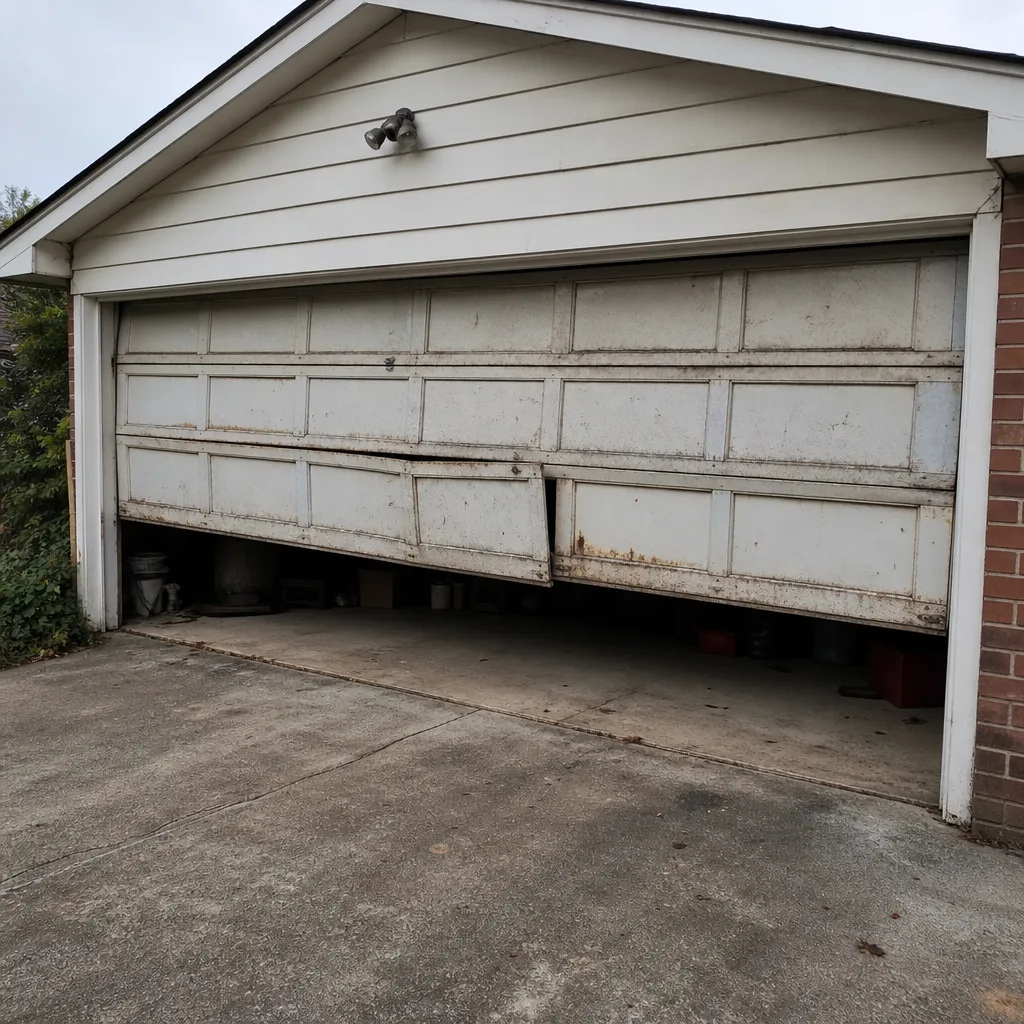 Before
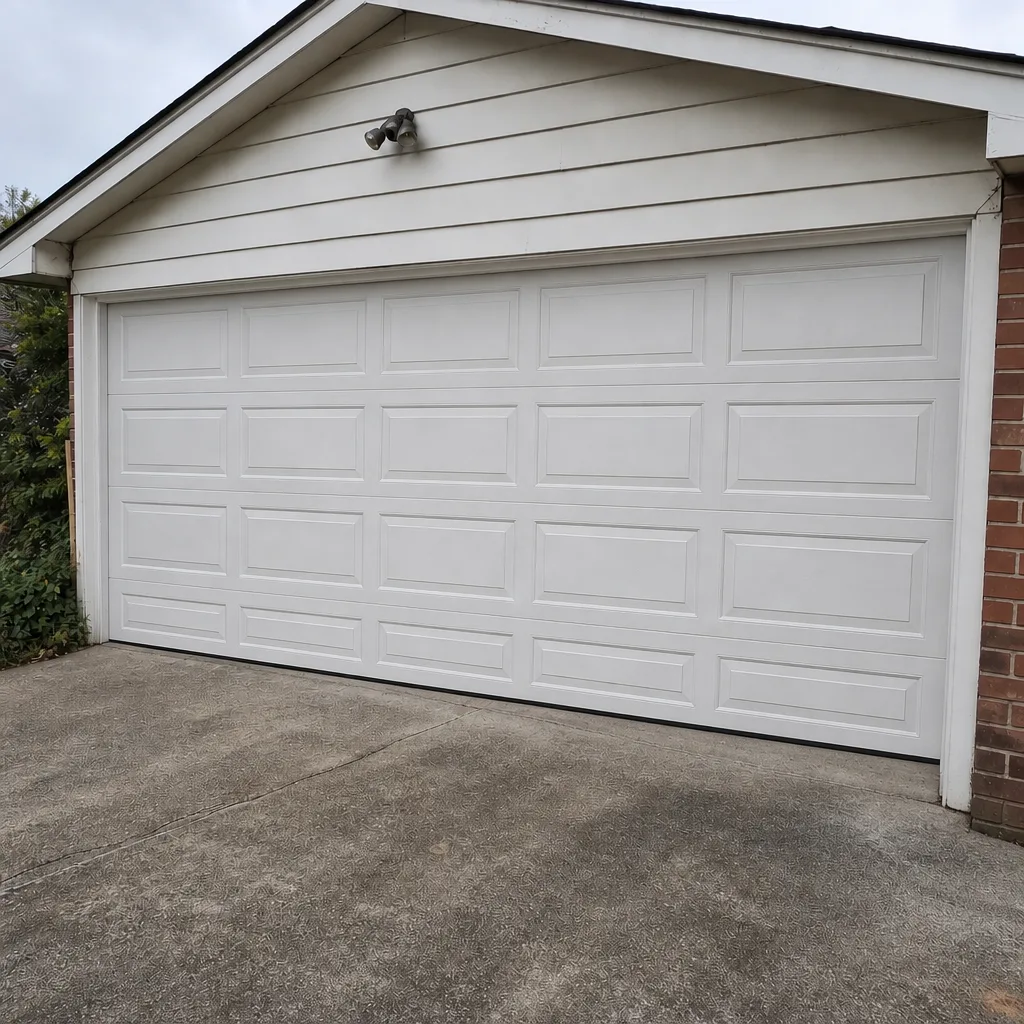 After
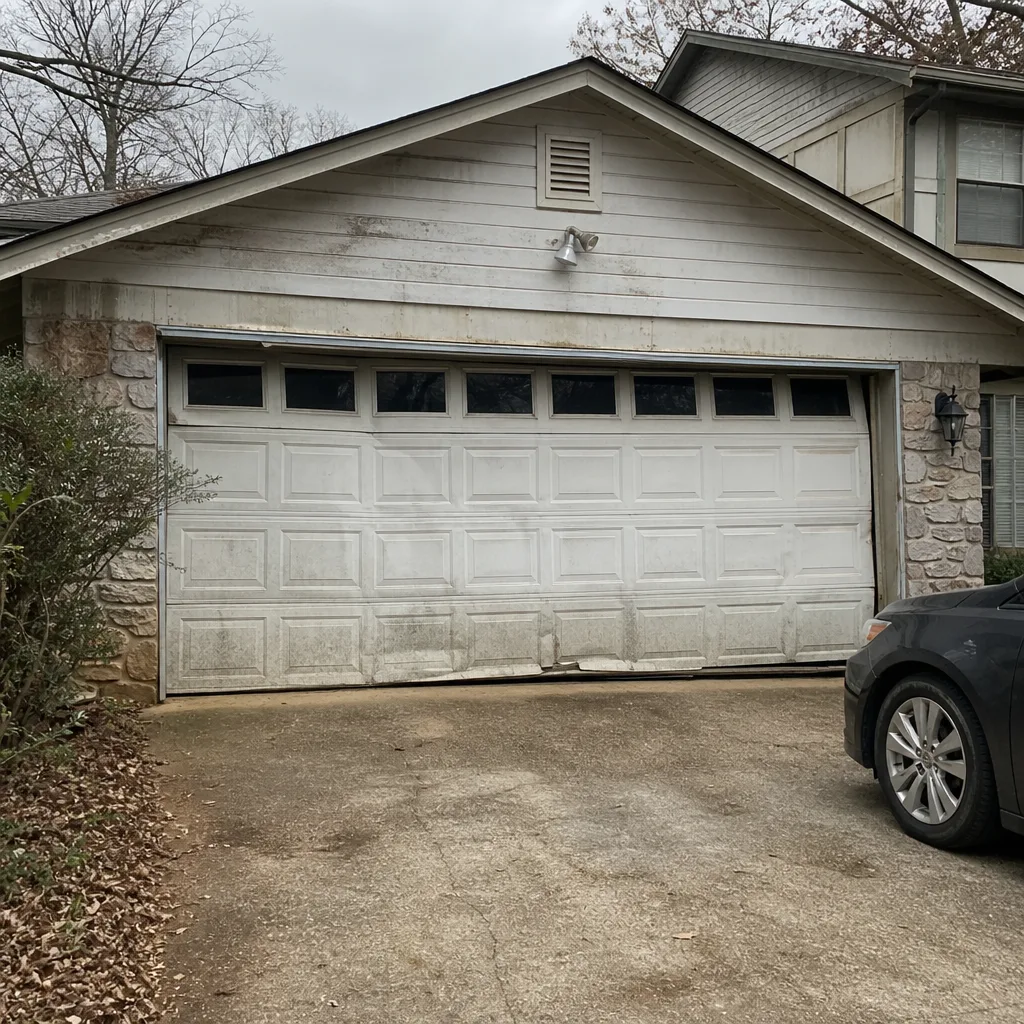 Before
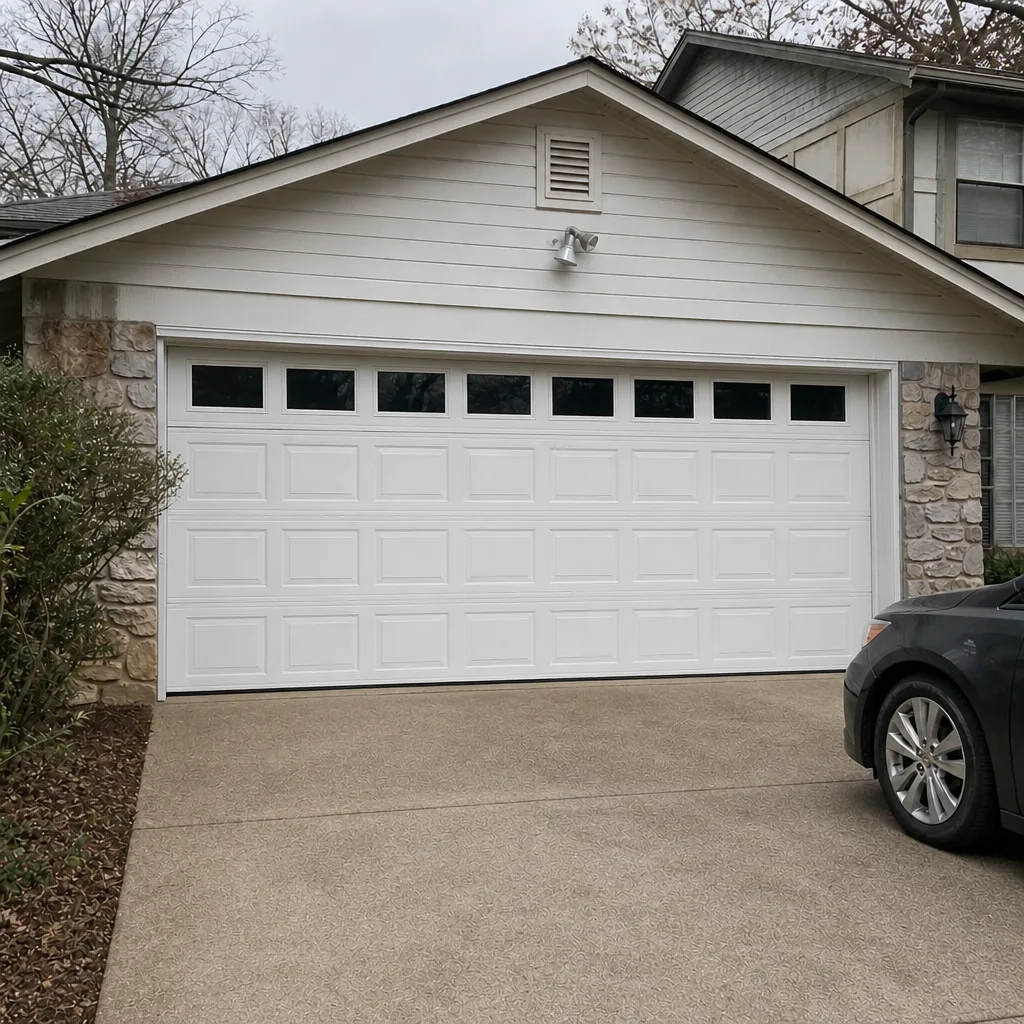 After
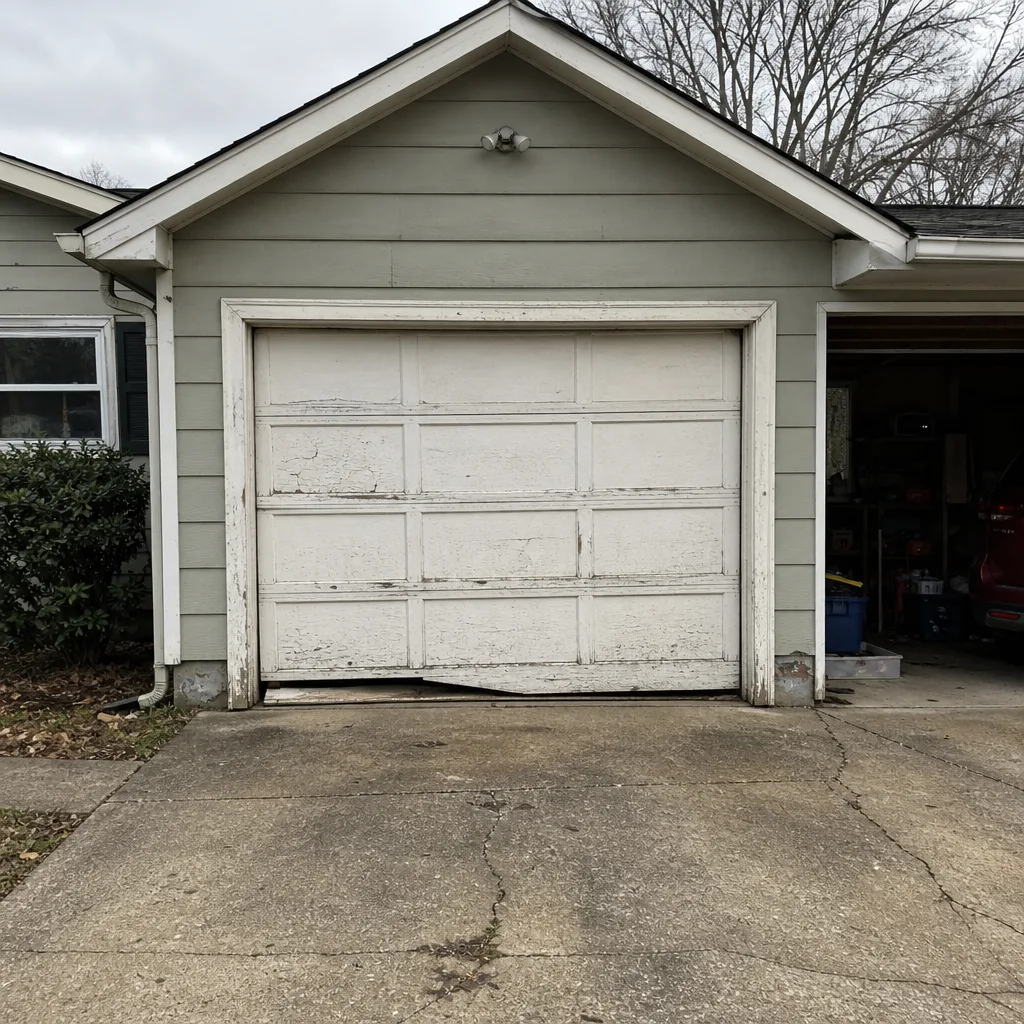 Before
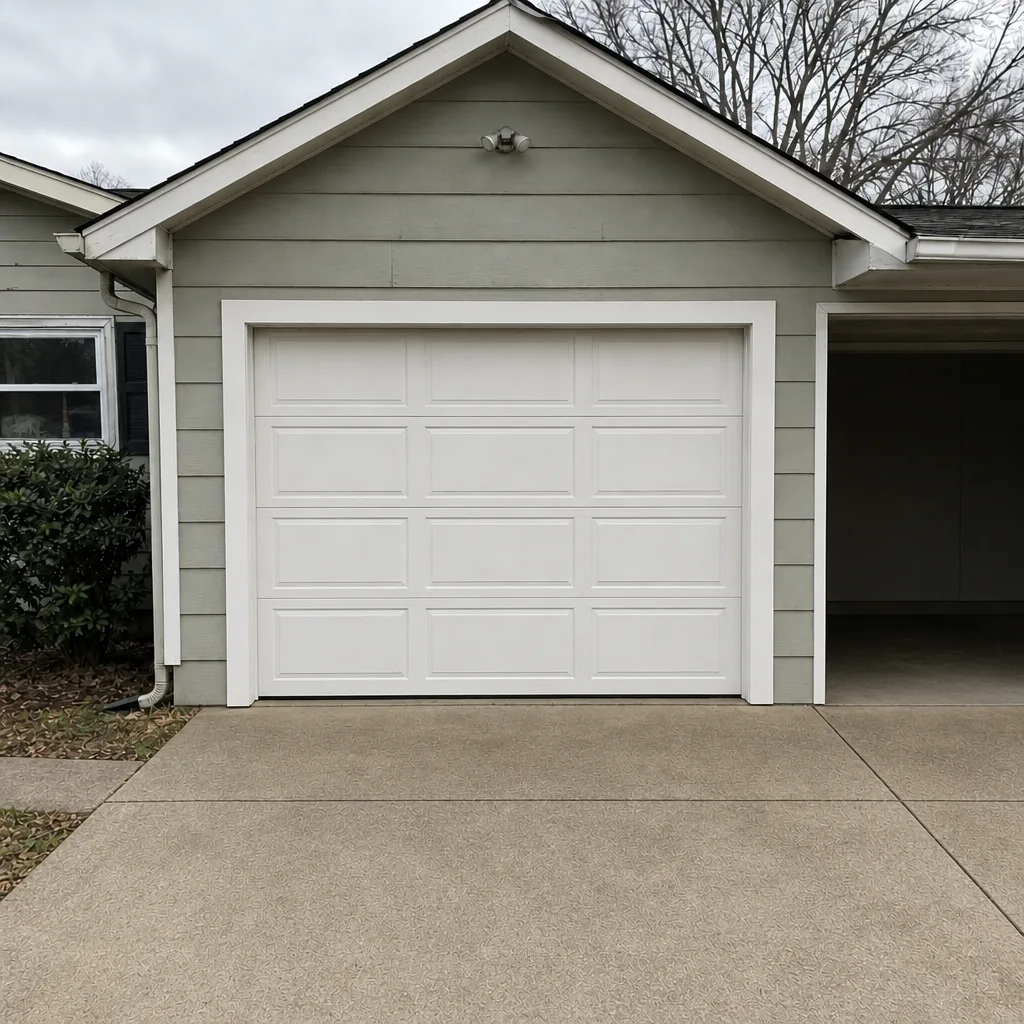 After
When to Call a Professional
Call a professional for any garage door work that involves the opening, the header or the framing. That’s structural work, it’s likely to require a permit in Woodstock, and it’s not a weekend project. Call for spring and cable replacement too; those components carry enough stored energy to cause serious injury, and that’s a job for a trained technician with the right tools. Call for fire-rated entry doors between the garage and the house, since the assembly has to meet a specific requirement and a wrong door is worse than no door. And call for a door that won’t open or close at the worst possible time. Woodstock Garage Door Repair Pros offers free estimates in Woodstock and works on the brand you already own, from Amarr and Wayne Dalton to Craftsman and Raynor. Call (833) 991-7530. We answer 24/7. Fast dispatch from 7am to 7pm, Sunday through Friday.
Frequently Asked Questions
Usually not. Replacing a garage door in the same opening with the same dimensions is generally treated as maintenance in Woodstock and doesn’t require a permit. If the opening is resized, the header is altered, or new wiring is added, a permit is likely. Confirm with the City of Woodstock building department. For a replacement or install, call (833) 991-7530 for a free estimate.
Only if the job requires a permit. An inspection checks the structural attachment, the door’s rating where one is required, fire separation in an attached garage, and the opener’s safety features. A same-size replacement with no structural change is normally exempt and won’t be inspected. Call (833) 991-7530 and we’ll tell you which category your job is in.
It generally does. An attached garage requires a fire separation between the garage and the living space, and the entry door is part of that separation. A standard interior door usually doesn’t meet the requirement. If your project touches that door, ask the building department what’s needed. Call (833) 991-7530 before you buy a replacement.
It can. Georgia policies generally expect home work to be done to code, and unpermitted work that doesn’t meet code can complicate a claim, since the adjuster has to consider code compliance and whether the work contributed to the damage. We can’t speak for your insurer, but we can keep your job properly permitted. Call (833) 991-7530 to talk through the scope.
Keep the permit and inspection sign-off, the product documentation for the door and opener, and the invoice. That set answers questions at a future sale or insurance claim. Store it digitally and keep a physical copy with your home records. Call (833) 991-7530 if you need a written estimate for the work.
Yes, if it’s the same size and the structure isn’t touched. The brand doesn’t trigger a permit; the structural change does. A new Amarr or Wayne Dalton door in your existing opening is a replacement. Cutting the opening to fit a wider door is not. Call (833) 991-7530 and we’ll tell you which one you’re planning.
The Bottom Line
In Woodstock, GA, a garage door replacement in the same opening usually doesn’t need a permit, and repairs to springs, openers and panels don’t either. What does need a permit is anything that changes the structure: resizing the opening, altering a header, or converting the garage. The less obvious triggers are electrical work for a new opener circuit and the fire-rated entry door between an attached garage and the living space. When a permit is required, keep the paperwork. That folder is what protects you at a sale or a claim. If you’re not sure which side of the line your project falls on, a quick call settles it. Call (833) 991-7530 for a free estimate. We answer 24/7. Fast dispatch from 7am to 7pm, Sunday through Friday.
Written by the team at Woodstock Garage Door Repair Pros.